

The World Bank has emphasized the importance of digital technologies in strengthening community resilience and safeguarding natural resources as environmental pressures intensify globally.
In a 2025 blog post, the Bank noted that nine out of 10 people worldwide live in areas experiencing land degradation, air pollution, or water scarcity, with low-income countries facing all three challenges simultaneously, threatening public health, livelihoods, and economic growth.
Digital Tools as a Lifeline
According to the Bank, digital solutions can:
• Improve access to reliable information
• Strengthen early warning systems for disasters
• Connect at-risk communities to essential services such as healthcare, clean water, and financial support
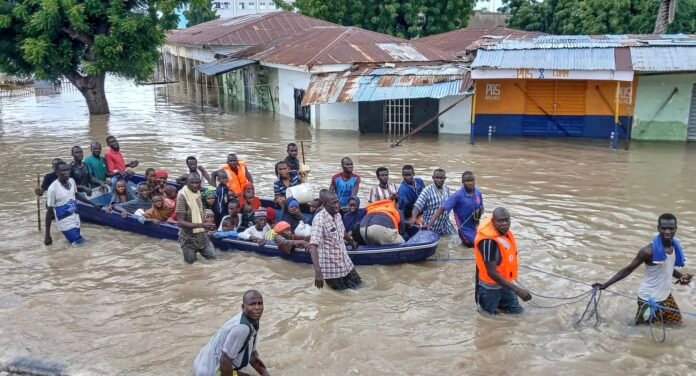
“Digital tools are already transforming crisis response, enabling real-time alerts, coordinated evacuations, and rapid delivery of emergency funds during floods, droughts, and other climate-related disasters,” the report said.
The “Resilience Divide”
The Bank warned, however, that digital access remains highly uneven. In South Asia and Sub-Saharan Africa, fewer than 45 per cent of adults use the internet, compared with over 80 per cent in other regions. This disparity has been termed a “resilience divide,” leaving millions without early warnings or emergency support.
Examples of Digital Interventions
• Sri Lanka: The MOBILISE system, supported by the World Bank, integrates weather forecasts, sensors, and vulnerability data to improve disaster coordination. During the 2024 monsoon floods in Kalutara District, the platform enabled faster response, saving lives.
• Ethiopia: A Bank-backed programme using machine learning for fertiliser application across 20,000 wheat farms increased yields by 25 per cent, boosting profits by about $580 per hectare per season.
• Amazon Basin: The Amazon Sustainable Landscapes Programme uses satellite imagery, drones, AI, and blockchain for real-time deforestation detection and traceable, deforestation-free supply chains.
Digital technologies are also helping farmers improve efficiency and resilience, optimize inputs, reduce waste, and access better market prices. Satellite imagery, remote sensing, and mobile advisory services are key tools in this effort.
Moving Forward
The World Bank concluded that closing digital access gaps and scaling innovative technologies are essential for helping communities anticipate climate risks, safeguard natural resources, and promote sustainable economic growth.
“Expanding digital infrastructure and early warning platforms is no longer optional—it is vital to protect vulnerable populations and ensure long-term resilience,” the Bank said.
The report signals the Bank’s continued commitment to investments in digital inclusion as part of its broader agenda to address climate change, disaster preparedness, and sustainable development.
Source: Africa Publicity