

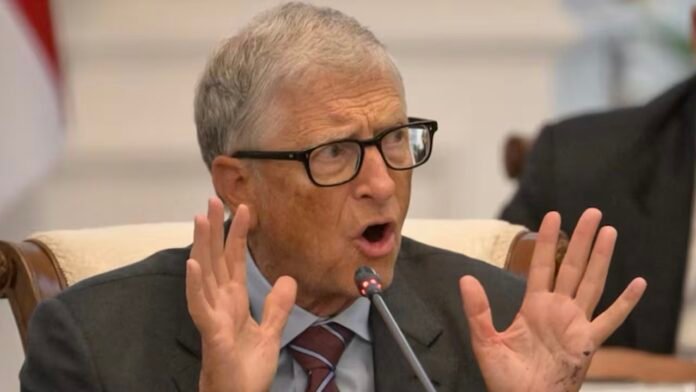
Microsoft co-founder and billionaire philanthropist Bill Gates has firmly rejected explosive claims attributed to the late financier Jeffrey Epstein, describing them as baseless and defamatory following the release of newly unsealed US Justice Department documents.
The controversy stems from a draft email Epstein reportedly wrote to himself in July 2013, in which he claimed that Gates had sought medication to treat a sexually transmitted disease allegedly contracted from encounters with “Russian girls.” The document was among hundreds of thousands of files made public on Friday, January 30, as part of a broader disclosure of materials linked to Epstein’s activities and associates.
Reacting to the allegation, Gates issued a rare and strongly worded response through a spokesperson, who described the claims as “absolutely absurd and completely false.” The spokesperson said the emails reflected Epstein’s personal motives rather than any truth about Gates.
“The only thing these documents demonstrate is Epstein’s frustration that he did not have an ongoing relationship with Gates, and the lengths he would go to entrap and defame,” the spokesperson told the Daily Mail.
The emails in question were reportedly never sent to Gates and were instead saved as drafts. Nonetheless, their inclusion in the latest document release has reignited scrutiny of Gates’ past interactions with Epstein, a convicted sex offender who died in a New York City jail in 2019 while awaiting trial on federal sex trafficking charges.
The Justice Department’s release also included previously unseen photographs of Epstein and Gates together at different locations. The images, while undated, add to the public record of their association and have fueled renewed debate over the extent and nature of their interactions.
Gates has long acknowledged that he met Epstein on multiple occasions but has consistently denied any wrongdoing or inappropriate behaviour. In previous interviews, he said he regrets ever engaging with Epstein and described the decision as a serious error in judgment.
“I made a mistake in judgment in spending any time with him,” Gates has said in the past, adding that he believed the meetings were related to philanthropy and global health discussions. He has repeatedly insisted that there was no personal friendship or business partnership between them.
Over the years, Gates has sought to minimise the scope of his relationship with Epstein, stating that their interactions occurred in group settings and that he never attended Epstein’s private parties or visited his various residences, including his properties in New York, Florida, or the Caribbean.
Epstein, once a well-connected financier with ties to wealthy and influential figures, was known for cultivating relationships with prominent business leaders, academics, and politicians. Following his arrest and subsequent death, scrutiny intensified around individuals in his social and professional orbit, though many have denied any involvement in his criminal activities.
The newly released files have drawn mixed reactions, with some observers warning against treating Epstein’s unverified statements as factual evidence. Legal analysts have noted that draft emails, particularly those written by Epstein to himself, may reflect personal grievances, manipulation tactics, or attempts to exert leverage over others rather than substantiated claims.
Despite repeated public denials, Gates has continued to face questions about why he maintained contact with Epstein after the financier’s 2008 conviction for soliciting a minor. Gates has said he believed Epstein could assist with philanthropic fundraising, a justification that has been widely criticised.
The Gates Foundation has previously distanced itself from Epstein, stating that he had no formal role in the organisation and did not influence its work or funding decisions.
As public attention returns to Epstein-related revelations, Gates’ representatives maintain that the latest allegations do not alter the established facts. They insist that the claims are false, defamatory, and reflective of Epstein’s pattern of exaggeration and manipulation.
With more documents still under review by journalists and researchers, observers expect continued debate over the credibility and implications of the disclosures. For now, Gates has drawn a clear line, rejecting the claims outright while reiterating his regret over any past association with Epstein.
Source: Africa Publicity