

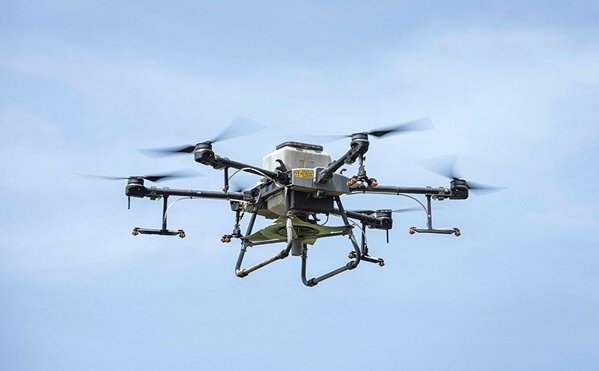
Security and aviation specialists in Nigeria are calling on the Federal Government to adopt advanced drone technologies as a central strategy to confront the country’s escalating terrorism and violent extremism. The experts warn that conventional, manpower-heavy approaches are no longer sufficient to address increasingly sophisticated criminal networks.
Speaking to journalists on Wednesday, United States–based Nigerian aviation consultant Femi Adeniji, CEO of Nigame Aircraft Consult, emphasized that modern unmanned aerial vehicles (UAVs) — commonly known as drones — could dramatically improve the effectiveness of counter-terrorism and security operations in Nigeria.
“Relying solely on human intelligence in a context marked by corruption, mistrust, and operational inefficiencies is inherently risky,” Adeniji said. “We must integrate advanced technology into our security framework if we are serious about protecting lives and restoring order.”
Adeniji noted that several Western nations have significantly reduced terror threats and criminal activity through the deployment of military-grade drones, such as the Resolute Eagle, which is designed for real-time surveillance, covert missions, and precision strikes. Unlike the small commercial drones currently deployed in Nigeria for limited reconnaissance or monitoring, the Resolute Eagle operates at high altitudes — up to 21,000 feet — and can remain airborne for up to eight hours, providing extended operational coverage in conflict zones.
“Modern drones can operate from thousands of miles away,” Adeniji explained. “Operators do not have to be physically close to hostile environments. They can monitor activity, record movements in real time, and even carry certain approved armaments for targeted operations — capabilities that Nigeria urgently needs.”
The aviation expert said these drones are particularly suited for Nigeria’s diverse terrain, including the semi-arid regions of the North, dense forests in the South, and urban centers increasingly vulnerable to terrorist attacks, kidnappings, and organized crime. Their combination of intelligence-gathering and offensive functionality gives security forces a strategic advantage, allowing rapid deployment and surprise interventions that are crucial in counter-terrorism operations.
Adeniji also highlighted the potential of drone technology to reduce casualties and improve precision. “Looking at the lessons learned from Iraq and Afghanistan, integrating drones with intelligence and rapid-response units significantly decreased collateral damage and improved operational efficiency,” he said.
Experts stress that the adoption of UAVs should be part of a broader modernization of Nigeria’s security architecture. This includes integrating real-time data analytics, satellite imagery, and AI-powered threat assessment tools to complement human intelligence. “Technology alone cannot replace ground personnel, but it can amplify their effectiveness and make operations safer and more precise,” Adeniji said.
The Nigerian government has previously experimented with small drones for monitoring insurgent activities in the Northeast, where Boko Haram and other extremist groups continue to operate. However, critics argue that these initiatives have been sporadic and under-resourced, limiting their impact. Adeniji urged policymakers to pursue sustained investment in advanced UAVs, alongside training programs for security operatives and regulatory frameworks to ensure safe and legal deployment.
In addition to military applications, drone technology could also support disaster response, border surveillance, and search-and-rescue operations, providing a multi-faceted tool for national security and emergency preparedness.
“The era of manpower-heavy, reactive security is over,” Adeniji concluded. “Nigeria must embrace drones and advanced technology to proactively confront threats, protect citizens, and ensure stability. Failure to do so will leave the nation vulnerable to increasingly sophisticated criminal and terrorist networks.”
Source:Africa Publicity