
The United States has begun a wide-ranging reassessment of its diplomatic and economic relationship with Tanzania, citing growing concerns over restrictions on religious freedom, limitations on free expression, barriers to American investment, and reports of violence directed at civilians surrounding the country’s recent general election.
According to a recent statement from the U.S. State Department, developments in Tanzania over the past several months have raised serious questions about the nation’s reliability as a strategic partner. Officials noted that the review was prompted by actions taken by the Tanzanian government before, during, and after the country’s October 29 general elections, which were followed by unrest in several regions.
In response to the situation, the U.S. government also issued security advisories to American citizens living in or traveling to Tanzania. These warnings urged heightened caution, particularly in urban areas where demonstrations and clashes had previously occurred. The alerts came after protests erupted in some parts of the country, with reports of violent confrontations between demonstrators and security forces.
Human rights organizations, opposition leaders, and representatives of the United Nations have alleged that the post-election turmoil may have resulted in the deaths of hundreds of people. While the exact number remains disputed, these groups claim that many civilians were either killed or injured during confrontations with state security personnel. The Tanzanian government, however, has challenged these accounts, describing them as exaggerated and unverified.
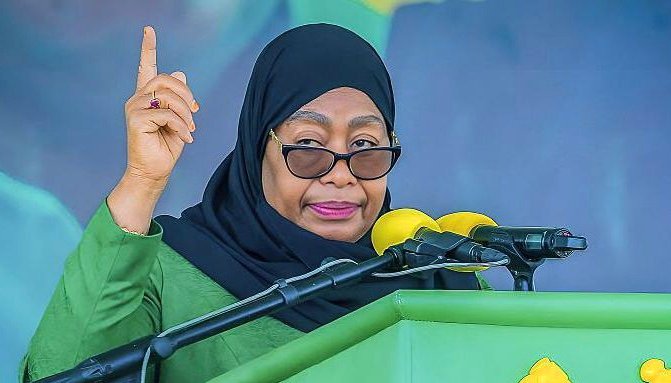
President Samia Suluhu Hassan has maintained that the elections were conducted fairly and in accordance with the law. She has also pledged to launch investigations into any alleged abuses that may have occurred during the unrest. According to government officials, an independent team has been tasked with examining the events surrounding the violence, and the administration has urged both local and international observers to wait for official findings before drawing further conclusions.
Despite these assurances, the U.S. State Department emphasized its concern over what it described as a pattern of repression. In its statement, the department referred to ongoing limitations on religious practices, restrictions on free speech, and the presence of what it termed “systemic obstacles” facing foreign investors, particularly U.S.-based companies. These factors, officials said, have made it difficult for American businesses to operate in Tanzania and have raised questions about transparency and fair treatment.
“The continued suppression of fundamental freedoms, combined with persistent challenges for foreign investors and troubling reports of civilian violence, has necessitated a comprehensive reconsideration of our bilateral relationship,” the State Department noted.
Separately, U.N. human rights experts released a report acknowledging deeply troubling allegations that bodies of people killed in connection with the unrest may have been buried in unidentified locations or cremated without the consent or knowledge of their families. According to the experts, some individuals who were reported missing after the clashes have yet to be accounted for, increasing concern among their relatives and the international community.
The U.N. group called on the Tanzanian government to provide full transparency regarding those who disappeared and to ensure that any human remains are properly identified and returned to families in a dignified manner. They also urged Tanzanian authorities to cooperate fully with independent investigators in order to establish the truth and ensure accountability for any wrongdoing.
In response to these claims, Tanzanian government spokesperson Gerson Msigwa stated that many of the reports circulating both in the international media and on social media platforms lack reliable evidence. He emphasized that misleading information can easily spread during periods of political tension and warned against drawing conclusions before the investigation is complete.
“It is essential that we allow the appointed investigation team sufficient time to complete its work,” Msigwa said in a statement. “Only then will we be able to rely on facts, verified evidence, and confirmed figures as our basis for any decisions or statements.”
While the U.S. government has not yet provided specific details regarding the exact nature of the investment barriers it has identified, analysts suggest that the concerns may stem from regulatory challenges, restrictions on foreign ownership, delays in permit approvals, and inconsistent policy enforcement. These issues have reportedly discouraged some American companies from expanding or continuing their operations in the country.
The situation in Tanzania reflects broader international conversations about the importance of democratic governance, human rights protections, and economic transparency. As Washington continues its review, the future of cooperation between the two countries may depend largely on the outcome of Tanzania’s internal investigations and its willingness to address international concerns.
Source:Africa Publicity