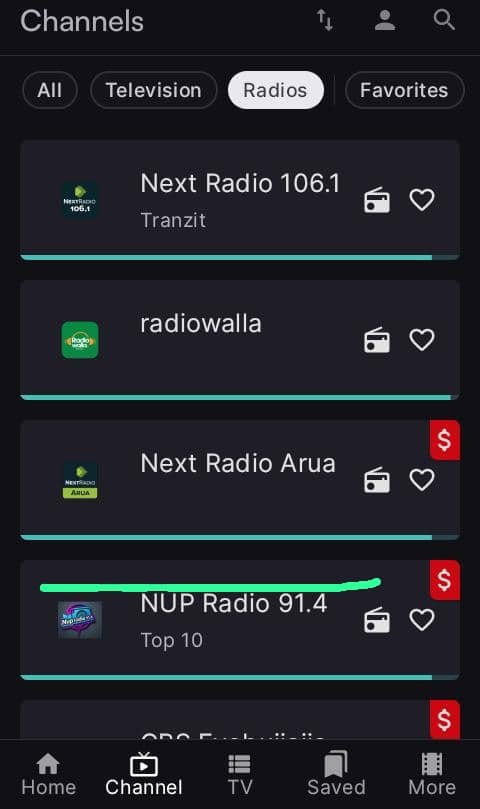

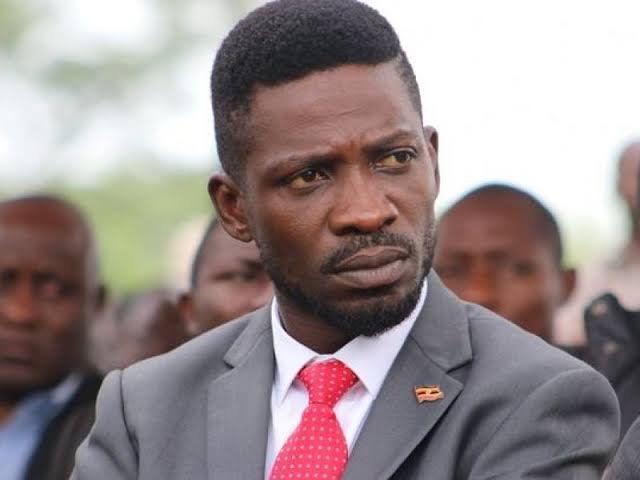
Ugandan opposition leader, Bobi Wine, has announced that the National Unity Platform (NUP) will begin broadcasting its full programme schedule on “NUP Radio” starting December 2, citing difficulties with physical rallies and what he described as media misrepresentation of his events.
Speaking during a brief stop in Kampala, Bobi Wine referred to repeated arrests of his supporters and restrictions on campaigning grounds. “Here, the time is not enough and they are arresting my people,” he remarked. “We shall now use NUP Radio to deliver our full message to the people of Uganda.”
The move comes amid long‑standing tensions with the media. Bobi Wine accused NBS Television of downplaying the size of his rallies, claiming the station repeatedly aired footage showing only a “few people attended” despite what he said were large crowds in person. One article reported a headline: “NBS TV Should Stop Bias Reporting At My Rallies, Each Time They Air News, They Show Few People Attended Yet It’s False.”
As the NUP prepares for the December launch, the party and its supporters are awaiting more details on programming, licensing and the signal reach of NUP Radio. Meanwhile, government regulators and independent observers are keeping a close watch on whether the new station will meet legal and operational requirements without provoking regulatory action.
NUP insiders say the radio platform will include daily political discussions, civic education segments and live call‑ins from supporters across Uganda. The party hopes the broadcast medium will bypass alleged physical and legal barriers to traditional mobilization ahead of the 2026 elections. It remains unclear under what license the station will operate, given the regulatory oversight by the Uganda Communications Commission (UCC).
Media analysts say the shift to radio reflects a growing strategy by opposition parties to use alternative platforms amid tighter controls on public assemblies. However, they also warn that establishing a party‑affiliated station raises questions about editorial independence, licensing and potential government push‑back.
Political observers note the conflict between Bobi Wine and NBS TV as symptomatic of deeper issues around media freedom and political representation in Uganda. While the opposition accuses some media outlets of bias, state‑aligned bodies point to public interest and editorial standards as justifications for coverage decisions.