

By: Isaac Christopher Lubogo
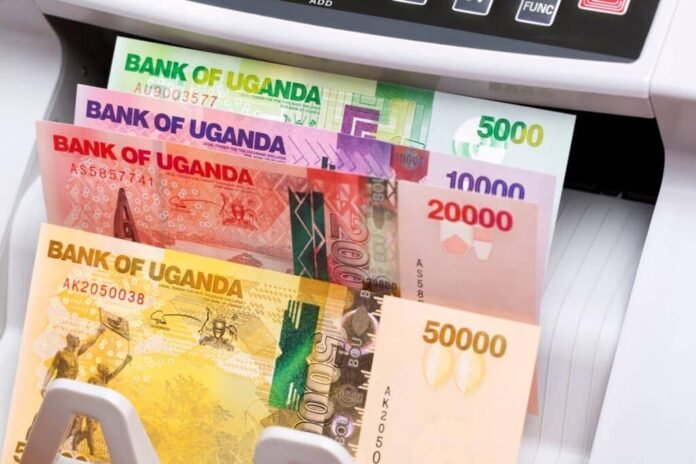
In the corridors of Uganda’s Ministry of Finance, the phrase “sweeeeiiihh” — evocative of a supersonic jet breaking through the stratosphere — captured the imagination of economists, investors, and citizens alike. Today, that very metaphor resonates with the Uganda shilling (UGX), which has recently emerged as East Africa’s best-performing currency, appreciating by over 4% against the U.S. dollar, leaving the Kenyan shilling, Rwandan franc, and Tanzanian shilling trailing in its jet wash.
At first glance, this triumph is a badge of macroeconomic competence. The Bank of Uganda’s prudent monetary policy, coupled with robust forex inflows from exports, remittances, and foreign investment, has propelled the shilling into a rarefied zone of relative stability. Yet, as with any high-speed flight, turbulence lurks, and the real question is: can Uganda maintain altitude while navigating the stormy skies of regional and global economic pressures?
I. The Lift-Off: Immediate Economic Impacts
1. Consumers and Importers Enjoy Cheaper Fuel
A strengthening shilling is immediate relief for the Ugandan consumer. Imported goods — from fuel to pharmaceuticals — are now more affordable. Inflationary pressures, long a perennial headache, experience a temporary softening, allowing households and businesses to breathe easier.
2. Debt Servicing Becomes Smoother
Government and corporate borrowers with dollar-denominated obligations now benefit from a reduced local-currency burden. Resources previously earmarked for interest payments can be redirected toward infrastructure, health, and education.
3. Investor Confidence Accelerates
Currency stability signals macroeconomic discipline. For investors scanning the frontier markets, the UGX’s trajectory is like a jet with afterburners: thrilling, reliable, and promising returns that justify attention.
II. Mid-Air Maneuvers: The Double-Edged Dynamics
While lift-off is exhilarating, every pilot knows the higher you fly, the thinner the air, and the more careful your navigation must be:
1. Export Competitiveness
A stronger UGX makes Uganda’s exports more expensive in global markets. Coffee, tea, and minerals, the backbone of foreign earnings, could see squeezed margins. Unless exporters innovate, diversify, or add value, the jet may climb beautifully, but risk overshooting into turbulence.
2. Domestic Industries vs. Imports
Local manufacturers may struggle to compete against cheaper imports, threatening industrialization ambitions. The very currency that empowers consumers could inadvertently restrain Uganda’s structural economic ascent.
3. Regional Trade Dynamics
The UGX’s relative strength vis-à-vis EAC neighbors is a double-edged sword. Imports from Kenya, Tanzania, and Rwanda may surge, but Uganda’s exports to these markets could falter. For a country committed to EAC integration, managing currency asymmetry is a delicate balancing act.
III. Navigating Turbulence: Structural Risks and Volatility
The jet analogy becomes more than poetic when considering the shocks that could derail the ascent:
Reliance on Volatile Inflows: Commodity exports, remittances, and foreign investment are the fuel powering the UGX’s flight. Any disruption — a dip in coffee prices, geopolitical instability, or global interest rate shifts — could threaten altitude.
Overvaluation: Too strong, too fast, and the currency risks overshooting its equilibrium. Overvaluation can hurt exports, widen trade deficits, and invite speculative pressures.
Structural Constraints: Uganda’s economic engine is still partially dependent on raw commodities, low industrialization, and limited value addition. Currency performance alone cannot propel sustainable growth without structural reforms.
IV. Strategic Jet Controls: Harnessing the Momentum
To convert the UGX’s meteoric rise into lasting economic gains, Uganda must act like a skilled pilot, balancing speed with precision:
1. Value Addition and Export Diversification
Invest in agro-processing, light manufacturing, and regional value chains. Let the strong shilling finance strategic structural upgrades rather than just fueling consumption.
2. Build Reserves and Hedge Against Volatility
Foreign exchange reserves are the stabilizers, ensuring the jet can glide safely through shocks. Contingent financing, swap lines, and hedging mechanisms are the shock absorbers of a volatile sky.
3. Fiscal and Monetary Discipline
Avoid excessive external borrowing and maintain inflation-targeted monetary policy. Discipline ensures the jet maintains trajectory without engine strain.
4. Regional Coordination
Engage neighbors to harmonize trade and currency dynamics, ensuring Uganda’s high-flying currency does not inadvertently destabilize regional commerce.
V. Conclusion: Sweeeeiiihh into the Stratosphere — But With Eyes Open
The Uganda shilling’s ascent is thrilling, a sweeeeiiihh moment in national economic history. It signals that disciplined monetary policy, steady inflows, and macroeconomic prudence can produce tangible results. But like any high-speed jet, altitude brings vulnerability. Turbulence from global markets, regional disparities, and domestic structural weaknesses can destabilize even the most impressive flight.
Uganda now stands at a historic inflection point: it can translate currency strength into structural transformation, economic diversification, and regional influence — or it can enjoy a fleeting jet-powered thrill, only to face turbulence later.
The question is not whether the shilling can fly — it already has. The real challenge is whether Uganda can pilot its economy to sustained growth at supersonic speeds, turning today’s “sweeeeiiihh” into a legacy of resilience, prosperity, and strategic foresight.