
South Sudan’s government has requested a total of $2.5 billion in oil-backed loans from two foreign energy firms, the Petroleum Ministry confirmed on Thursday, a move that has drawn scrutiny from international financial institutions and raised concerns about the country’s mounting debt burden.
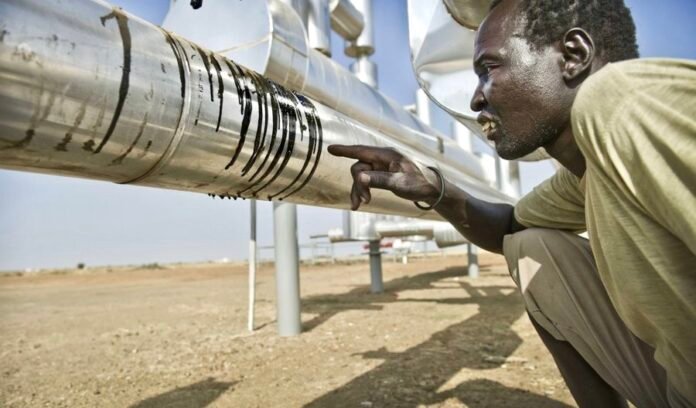
The ministry said in a statement that it had sent formal requests for credit to subsidiaries of India’s ONGC Videsh and China’s National Petroleum Corporation (CNPC) late last month. The loans, if approved, would be secured against future crude oil exports handled by the state-owned Nile Petroleum Corporation (Nilepet).
“The requested funds were intended solely for official government purposes, not for personal or individual benefit,” the ministry said, describing the requests as preliminary and confirming that no funds have yet been disbursed. It also rejected what it called “defamatory commentary” circulating on social media about the loan proposals.
Loan Requests Exceed Annual Budget
The total amount sought – $2.5 billion – exceeds South Sudan’s entire annual budget, which stands at less than $2 billion, according to government data. The United Nations estimates that the country has already borrowed about $2.2 billion in oil-backed loans since gaining independence in 2011.
In one of the letters, dated October 27, the ministry asked ONGC Nile Ganga B.V., a local unit of ONGC Videsh, for a $1 billion advance against future crude oil entitlements. A separate October 31 letter to CNPC requested $1.5 billion under the same repayment terms, with both loans proposed to be repaid within 54 months of disbursement.
Neither ONGC Videsh, CNPC, nor Nilepet responded to requests for comment on Thursday.
IMF and UN Raise Red Flags Over Fiscal Risks
The International Monetary Fund (IMF) has previously warned that oil-backed loans expose South Sudan to high repayment risks, especially given falling oil production and weak fiscal transparency. The Fund has urged Juba to improve reporting standards and to reduce its reliance on pre-financed crude deals that often bypass parliamentary approval.
Oil revenue accounts for over 90% of South Sudan’s government income, yet much of it is spent on debt repayments and advance oil sales, leaving limited funds for essential services.
The United Nations and international watchdogs have repeatedly linked mismanagement of oil revenues to the country’s recurring conflicts and humanitarian crises. In a September report, U.N. investigators accused political elites of systematically looting oil revenues and diverting funds intended for public services, warning that corruption and patronage networks continue to destabilize the fragile peace process.
Economic Strain Amid Falling Output
South Sudan, which produces about 140,000 barrels of oil per day, has seen output decline due to aging infrastructure, flooding, and regional insecurity. Lower global oil prices have further squeezed state revenues, prompting officials to seek alternative financing mechanisms.
Economists say the government’s dependence on oil-backed borrowing could worsen debt distress and reduce transparency in future oil sales. “These deals often mortgage the country’s future income in exchange for short-term liquidity,” said James Kuir Garang, a Juba-based economic analyst. “Without oversight, they risk deepening corruption and fiscal instability.”
Background: A Nation Still Recovering from Conflict
Since gaining independence from Sudan in 2011, South Sudan has struggled with intermittent civil war, economic collapse, and widespread poverty, despite its vast oil reserves. A 2013–2018 civil conflict left an estimated 400,000 people dead, and nearly 9 million people now require humanitarian assistance, according to the U.N. Office for the Coordination of Humanitarian Affairs (OCHA).
While the government insists the loans will help stabilize the economy and fund public projects, critics warn that the lack of transparency surrounding oil revenues could deepen mistrust and fuel future instability.
Africa Battles Fast-Spreading Cholera Outbreak Fueled by Failing Water System
Source:Africa Publicity