
The Nigerian House of Representatives has voted to investigate a growing dispute between the Nigerian Midstream and Downstream Petroleum Regulatory Authority (NMDPRA) and Dangote Refinery, following allegations of improper fuel import practices and questionable pricing benchmarks. The move comes amid corruption allegations against NMDPRA’s leadership, further escalating tensions in the country’s energy sector.
Background of the Dispute:
The dispute centers around Aliko Dangote, Africa’s wealthiest individual and owner of the Dangote Refinery, the largest oil refinery in Africa with a capacity of 650,000 barrels per day. Dangote has accused the NMDPRA of issuing fuel import licences to foreign suppliers at below-market prices, undermining local refineries, including his own. This has prompted calls for a formal investigation into the NMDPRA’s actions, particularly its chief executive, Farouk Ahmed, over alleged corruption and governance failures.
Dangote has specifically raised concerns about personal spending by Ahmed that exceeds his declared income, suggesting potential conflicts of interest and mismanagement at the regulator.
Legislative Action
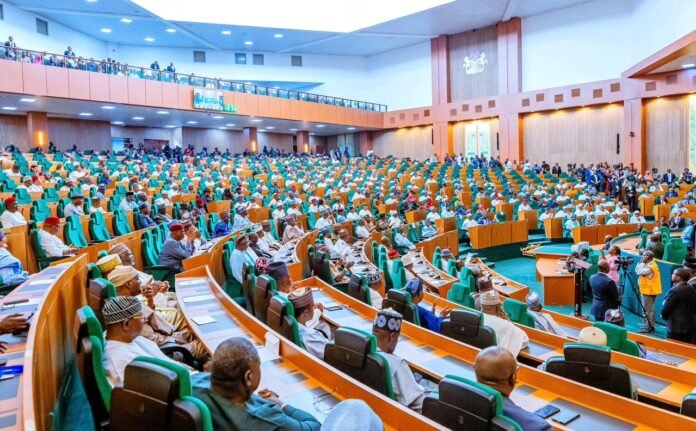
On Tuesday, the House of Representatives voted to investigate the matter, citing the potential impact on Nigeria’s fuel supply and pricing. Francis Waive, a member of the House, proposed the motion, which calls for a thorough inquiry by the House’s petroleum committees. The committees have been tasked with resolving the dispute and are expected to report their findings within four weeks.
Wider Implications for Nigeria’s Energy Sector
The row has raised alarms over potential disruptions to fuel supply, especially during the upcoming holiday season, with fears of shortages and price hikes. Lawmakers have warned that ongoing regulatory uncertainty could have long-term consequences for Nigeria’s energy security, as well as for investor confidence in the sector.
Strategic Importance of Dangote Refinery
The Dangote Refinery is seen as a strategic national asset with the potential to eliminate Nigeria’s dependence on fuel imports, which has been a drain on the country’s foreign exchange reserves. Additionally, the refinery is expected to play a crucial role in stabilizing domestic fuel prices and improving the overall efficiency of the Nigerian energy sector. However, ongoing disputes between the NMDPRA and Dangote’s refinery threaten to undermine these goals.
Next Steps
While lawmakers have not yet set dates for hearings, the situation remains fluid. The outcome of the investigation could shape the future of Nigeria’s energy policy, particularly in regard to local refining capacity, fuel pricing regulations, and the broader energy investment climate.