

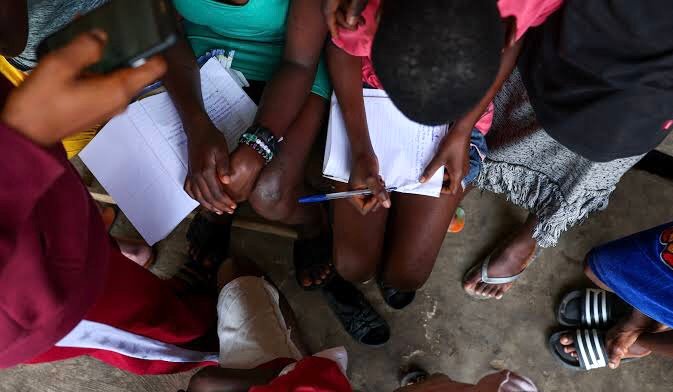
In southern Nigeria, where traditional beliefs and modern religion often intersect, hundreds of children continue to face violent accusations of witchcraft. But a growing network of local organizations is working to rescue, rehabilitate, and educate these children—helping them rebuild lives once shattered by stigma and fear.
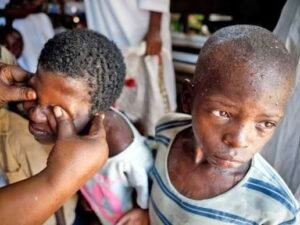
Faith, now 19, remembers the day her life changed forever. At just 13 years old, her aunt accused her of being a witch responsible for her family’s misfortunes. When her uncle’s motorcycle broke down and their small business began to fail, Faith became the scapegoat. Deprived of food and affection, she fled her home in Akwa Ibom State and walked more than 20 kilometers without food or water before arriving at a shelter run by the Child Rights and Rehabilitation Network (CRARN).
“I want to prove I’m not what they said I was,” she said quietly, now a student of Science Laboratory Technology at a polytechnic in Eket, with dreams of one day becoming a doctor.
Faith’s story is far from unique. CRARN estimates that over 30,000 Nigerian children have been accused of witchcraft in the past two decades—many beaten, abandoned, or left to die on the streets.
Deep-Rooted Beliefs and Modern Challenges
In states such as Akwa Ibom and Cross River, where Christianity coexists with strong traditional beliefs, misfortune is often linked to supernatural causes. Illness, poverty, or death in a family can spark suspicions that a child has brought bad luck through witchcraft.
The situation has been worsened by the rise of self-styled pastors and witch doctors who claim to identify or “deliver” children possessed by evil spirits—often charging desperate families for so-called exorcisms. Some of these ceremonies involve severe beatings, starvation, or public humiliation.
“People are made to believe that misfortune must have a spiritual cause,” said Ima Itauma, CRARN’s program manager. “When a child is accused, they are often tortured or driven out. Our mission is to rescue them and give them a chance to learn and heal.”
Although Nigeria has federal and state laws prohibiting child abuse linked to witchcraft accusations—including the 2008 Akwa Ibom Child Rights Law—enforcement remains weak. Many abusers, particularly within religious settings, act with impunity, while victims face lifelong trauma and discrimination.
Education as a Path to Redemption
CRARN, along with other grassroots organizations such as the Street Mentors Network and Way to the Nations, provides food, shelter, counseling, and access to education for rescued children. Their goal is not only to protect but also to empower the young victims through learning and vocational training.
“When a child can read, write, and think, they gain the power of choice,” said Anita Michael, founder of Street Mentors Network. Her organization currently supports five children, all of whom attend school or are learning practical skills such as tailoring or carpentry.
Since its founding in 2003, CRARN says it has helped about 200 children pursue higher education, turning former outcasts into teachers, nurses, and skilled professionals.
Yet, for many others, the road to recovery is long and painful. Leonardo Santos, co-founder of Way to the Nations, said progress has been “slow and frustrating.” Despite years of advocacy, accusations persist, often driven by economic hardship and ignorance. “Until communities unlearn the culture of fear,” he said, “children will keep paying the price.”
Survivors’ Voices
One survivor, Friday, now 13, still bears scars on his neck and shoulders from when his mother attacked him with a machete after a pastor branded him a witch. “She covered me with grass and left me in the bush,” he recalled, crying. “I stayed there for three days and crawled to the road using my knees.”
A passerby found him, gave him bread, and took him to a hospital. After recovery, Friday was placed in a rehabilitation home, where he now attends school. He hopes to become a lawyer someday. “I want to sue my mum,” he said, half-smiling, “so no other child goes through what I did.”
A Long Battle Ahead
While aid groups continue to save lives, they struggle with limited funding and lack of government support. Many shelters rely on personal donations and small community grants. Social workers say that changing cultural mindsets is as urgent as rescuing children.
“Education is the key,” said Itauma. “When parents understand that sickness or misfortune is not caused by children, the cycle can finally end.”
For Faith and others like her, the chance to study and dream again represents more than survival—it’s a declaration of resilience. “They called me a witch,” she said, “but education gave me my wings.”
Sudan’s Conflict Deepens as Paramilitary Forces Push Toward East, Threatening Wider Regional War
Source:Africa Publicity