
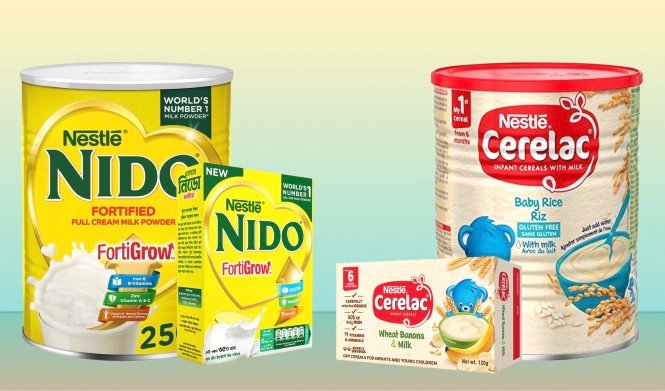
Nestlé, one of the world’s largest food and beverage companies, is coming under renewed scrutiny after allegations emerged that it adds sugar to certain Cerelac baby cereal products sold in African markets, while similar versions sold in parts of Europe reportedly contain no added sugar. The claims have sparked debate among health advocates, parents, and civil society organisations, who are raising concerns about infant nutrition standards and corporate responsibility.
The accusations were made public in an investigation published by the Swiss-based watchdog organisation Public Eye on 18 November 2025. According to the report, laboratory analysis of Cerelac baby cereal products collected from multiple African countries revealed the presence of added sugars in products marketed for children as young as six months old. This, the organisation argues, contradicts global health recommendations issued by the World Health Organisation (WHO), which strongly advises against including added sugars in foods intended for infants and toddlers under the age of two.
WHO guidelines are designed to protect young children from health risks such as early-onset obesity, dental decay, and the development of a preference for overly sweet foods. Nutrition experts warn that introducing sugar at a very young age can shape a child’s long-term eating habits and increase the likelihood of chronic health conditions later in life. Public Eye claims that while Cerelac products in countries such as Switzerland, Germany, and the United Kingdom are sold without added sugar, several African versions contain notable amounts, raising questions about inequality in product formulation.
Following the release of the report, a coalition of nineteen African-based civil society organisations sent a formal letter to Nestlé’s Chief Executive Officer, Philipp Navratil. In the letter, the group accused the company of maintaining “double standards” and called for the immediate removal of sugary Cerelac products from African shelves. They argued that if products without added sugar are considered the safest option for children in Europe, the same standard should apply to children in Africa. The coalition emphasised that all children, regardless of geographical location, deserve equal protection when it comes to nutrition and health.
Public Eye reported that nearly 100 Cerelac products were sampled in 20 African countries. The findings allegedly showed an average of almost six grams of added sugar per serving in many of the tested products. In one example highlighted in the report, a product sold in Kenya for babies aged six months and above was found to contain approximately 7.5 grams of sugar per serving, which is close to the equivalent of two cubes of sugar.
The findings have intensified concern at a time when African countries are grappling with both undernutrition and rising levels of childhood obesity. While many children across the continent still lack access to sufficient and nutritious food, there is also a growing number of overweight and obese children, especially in urban areas. According to WHO data, the number of overweight children under the age of five in Africa has increased significantly over the past few decades. Health experts describe this as a “double burden” of malnutrition, where undernourishment and overnutrition exist side by side.
In response to the accusations, Nestlé has denied any wrongdoing. A company spokesperson described the claims as misleading and rejected the suggestion that the company applies different standards in different regions. According to Nestlé, its approach to nutrition is globally consistent, and it does not intentionally put any group of children at risk. The company stated that it offers both sugar-free and sweetened variants of its products worldwide, depending on consumer preferences and local regulations. Nestlé also reiterated its commitment to improving the nutritional quality of its products and confirmed that it is working towards removing added sugar from all Cerelac products globally by the end of 2025.
Despite this assurance, critics argue that children’s health should not be influenced by regional taste preferences or market factors. Many public health advocates insist that multinational corporations have an ethical duty to uphold the highest nutritional standards in every country where they operate. They stress that clearer labelling, stricter regulations, and greater transparency are needed to protect families who rely on packaged food products for their children’s nourishment.
Source:Africa Publicity