

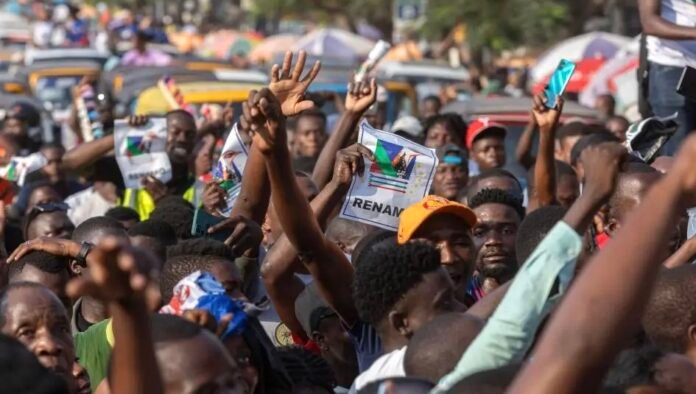
More than 2,700 people linked to Mozambique’s opposition are still in detention despite a presidential pardon announced this week, according to opposition leader Venâncio Mondlane, who accuses President Daniel Chapo of failing to honor commitments made after last year’s disputed elections.
Mondlane, head of the National Alliance for a Free and Autonomous Mozambique and a former presidential candidate, says the pardon has had little impact on those arrested during months of post-election unrest that followed the October 2024 polls. The protests, which continued into March 2025, were sparked by results the opposition rejected as fraudulent and were met with mass arrests during security force crackdowns.
Limited impact of the pardon
President Chapo’s pardon, which came into effect on Monday, authorized the release of 751 prisoners convicted of various offences, including theft and other non-political crimes. Mondlane argues, however, that only 22 of those freed were connected to the post-election protests, leaving the vast majority of detained demonstrators and opposition supporters still behind bars.
According to Mondlane, this means more than 2,700 people arrested during the unrest remain in custody, many without what he describes as a lawful basis for continued detention.
Dispute over a March agreement
In statements shared on social media, Mondlane said he met President Chapo in March 2025 and reached an understanding on the urgent need to release those detained during the protests. He claims the discussions included a pledge to introduce an amnesty bill in parliament to address politically motivated arrests.
Eight months later, Mondlane says no such bill has been presented. He has accused the president of backtracking on the agreement and described the pardon as “window-dressing” that avoids addressing the core issue of political detainees. Mondlane has also shared what he says are minutes from the March meeting as evidence of the deal.
President Chapo has denied that any formal agreement was reached and has not acknowledged plans to seek a broader amnesty through parliament.
Ongoing political tension
The standoff underscores the fragile political climate in Mozambique following the 2024 elections, which deepened mistrust between the ruling party and opposition movements. Human rights groups have previously raised concerns about mass arrests, due process, and the treatment of detainees during the post-election period.
As opposition leaders continue to press for a comprehensive amnesty and the release of those arrested in connection with the protests, the government faces growing pressure to demonstrate transparency and rebuild confidence in the country’s democratic institutions.
Source: Africa Publicity