
By Emmanuel Mihiingo Kaija
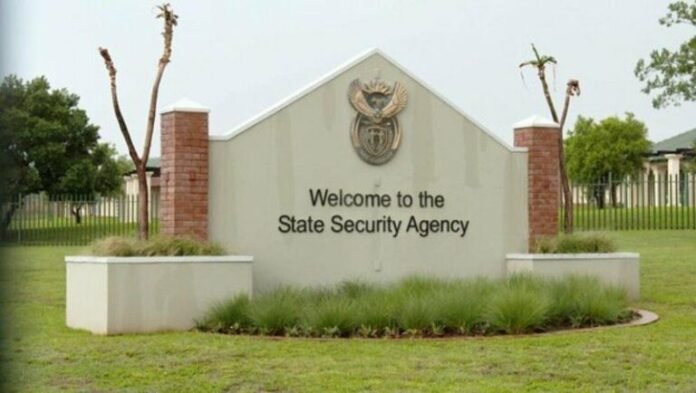
Across Africa, intelligence agencies work in secret. They say they are protecting the country and fighting crime or terrorism. But in some cases, their actions have gone beyond their official duties. Verified reports show that some agencies have targeted journalists, human rights defenders, and activists. These people are not criminals. They speak out, report on government issues, or defend human rights. In Morocco, for example, Amnesty International confirmed that NSO Group’s Pegasus spyware was used against activists and journalists. People like Maati Monjib, a human rights defender, and Abdessadak El Bouchattaoui, a lawyer, were sent malicious messages that could infect their phones with spyware. The spyware could read messages, track locations, and access private data. Sahrawi activist Aminatou Haidar and journalist Omar Radi were also confirmed targets. These cases show that spyware, intended for security, can be misused to monitor and scare people who speak out. All of these claims are backed by forensic evidence and independent research.
The effects on people are serious. Victims often feel scared and unsafe. They cannot trust their phones, emails, or messages. Omar Radi, the journalist, had his phone attacked multiple times so spyware could be installed without him knowing. This made him feel constantly watched and limited in what he could say. Amnesty International says that these attacks are not isolated cases. They show a pattern of targeting journalists and human rights defenders. These operations have a real human cost. They affect people’s freedom, privacy, and ability to work safely. Unlike some claims in other countries, these Moroccan cases are fully verified with technical evidence, so we know they really happened.
There are also signs that similar spyware has been used in other African countries, though confirmed cases are fewer. Rwanda and Togo, for example, have purchased NSO Group technology, which could be used for monitoring citizens. The Pegasus Project, an investigation by multiple journalists, revealed over 50,000 phone numbers considered for surveillance. This shows that spyware use in Africa is not only real but also widespread. The possibility of abuse is high if there are no rules, oversight, or legal limits. Verified evidence makes it clear that citizens are at risk when powerful technologies are used without accountability.
Foreign companies and governments play a big role in this. NSO Group, from Israel, sells spyware to governments. This spyware can read messages, track phones, and watch online activity. Independent investigations show that these tools were used against peaceful activists and journalists, not criminals. This proves that international involvement can make the problem worse if companies do not protect human rights. It also shows why oversight and transparency are needed, not only in Africa but also with the technology suppliers.
Solutions are possible. Governments need independent oversight to make sure intelligence agencies follow the law. There must be clear rules about what spying is allowed. Whistleblowers exposing abuses need protection. Citizens must be informed about privacy risks and how to protect their phones and accounts. Foreign companies should also be responsible for how their technology is used. Verified cases, like those in Morocco, show the damage that unchecked surveillance can do. By learning from these examples, governments, civil society, and international organizations can protect human rights and ensure security tools are not misused.
Intelligence operations are important for security, but verified evidence shows that misuse can harm democracy and civil freedoms. In Africa, these verified cases prove that people can be spied on without being criminals. Citizens, governments, and international partners must work together to make sure surveillance is legal, fair, and transparent. Intelligence tools should protect society, not punish people for speaking out. By using only verified facts, this article shows the real human impact of intelligence abuse. It reminds us that privacy, freedom of expression, and safety are rights that must be defended, even in the shadows.
References
Amnesty International. (2019). Moroccan human rights defenders targeted with NSO Group’s spyware. https://www.amnesty.org/en/latest/research/2019/10/morocco-human-rights-defenders-targeted-with-nso-groups-spyware
Amnesty International. (2020). Omar Radi targeted with network injection attacks using NSO Group’s tools. https://www.amnesty.org/en/latest/news/2020/06/nso-spyware-used-against-moroccan-journalist/
Amnesty International. (2022). Sahrawi activist Aminatou Haidar targeted by Pegasus spyware. https://www.amnesty.org/en/latest/news/2022/03/morocco-western-sahara-activist-nso-pegasus/
The Guardian. (2021). Pegasus Project: Global spyware abuse revealed. https://www.theguardian.com/world/2021/jul/18/revealed-leak-uncovers-global-abuse-of-cyber-surveillance-weapon-nso-group-pegasus
Human Rights Watch. (2022). Human rights activists targeted with spyware in Africa. https://www.hrw.org/news/2022/01/26/human-rights-watch-among-pegasus-spyware-targets
Disclaimer:
The views expressed in this commentary are solely those of the author and do not in anyway reflect the opinions or editorial policy of Africa Publicity