
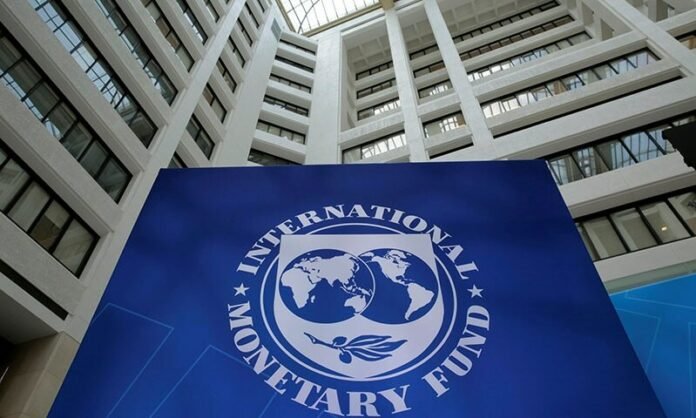
Sub-Saharan African governments are increasingly turning to domestic banks to finance their budgets, but this growing dependence is raising borrowing costs, straining local financial systems, and limiting private-sector investment, the International Monetary Fund (IMF) cautioned on Thursday.
In its Regional Economic Outlook, released during the IMF and World Bank annual meetings in Washington, the Fund said that the cost of domestic borrowing now exceeds that of external borrowing in many African countries, even as governments remain shut out of international markets.
“The domestic cost of capital remains elevated across the region,” the IMF noted, attributing this to underdeveloped financial markets characterized by shallow depth, illiquidity, and high transaction costs.
According to the report, local banks’ exposure to sovereign debt has reached concerning levels. “Domestic bank holdings of government debt are large and growing faster in sub-Saharan Africa than in the rest of the world,” the IMF said. It warned that this could trigger a “vicious feedback loop” where fiscal distress undermines bank stability, further tightening credit and intensifying financial stress.
Abebe Aemro Selassie, Director of the IMF’s African Department, told Reuters that while the shift to domestic financing has benefits, it also carries significant risks.
“About half of total public debt is now owed to domestic banks,” Selassie said. “It’s positive that countries are borrowing in their own currencies, but excessive domestic borrowing can create serious problems in the banking sector if governments struggle to service their debt.”
Efforts to Avoid a New Debt Trap
Following years of high global interest rates and market volatility, several African nations are cautiously returning to international capital markets. Borrowing costs have eased from their 2022 peaks, but many governments remain burdened by past debts and are wary of falling into new debt traps.
To bridge financing gaps, policymakers are experimenting with a mix of domestic bond issuances, private placements, and multilateral loans to support budgets and development priorities.
The IMF urged African governments to strengthen debt management frameworks and improve the transparency and reliability of fiscal data to build investor confidence. It also warned against overreliance on so-called innovative financing instruments, such as blended-finance vehicles or debt-for-development swaps, which remain limited in scale.
Total blended-finance flows to sub-Saharan Africa amount to just $6 billion annually, the IMF said, citing examples like Ivory Coast’s 2024 debt-for-education swap and Gabon’s 2023 debt-for-nature swap — each valued at under $1 billion.
Selassie emphasized that mobilizing private and domestic resources will be critical as traditional aid flows decline. “Attracting more private investment is complex but essential,” he said. “It’s one of the most important ways to supplement domestic savings and sustain development.”
Guinea’s Bauxite Exports Surge 23% in Q3 Despite Rains and Regulatory Crackdown
Source:Africa Publicity