

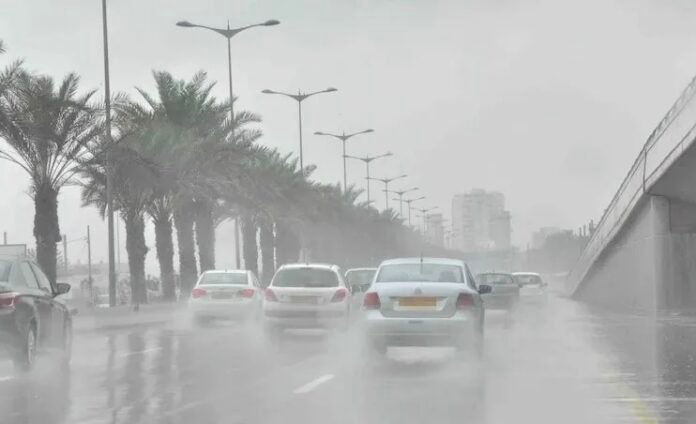
Morocco’s government has launched a large-scale emergency response after severe flooding displaced tens of thousands of residents in the country’s northwestern regions, following weeks of unusually heavy rainfall and rising river levels. The situation has prompted the deployment of army rescue units, mass evacuations, school closures, and heightened flood alerts in several provinces.
According to state television and official statements, torrential rains over recent weeks caused water levels to surge in major rivers, particularly the Loukous River, inundating low-lying neighbourhoods in and around the city of Ksar Kbir. The city lies roughly 190 kilometres north of the capital, Rabat, and is one of the areas most affected by the floods.
Authorities said the situation was worsened by controlled water releases from a nearby dam that was close to full capacity. Combined with persistent rainfall, the releases caused riverbanks to overflow, forcing residents to flee their homes. A national flood monitoring committee reported that entire districts in Ksar Kbir were submerged, disrupting daily life and damaging infrastructure.
By Saturday, more than 20,000 people had been evacuated from flood-hit areas and relocated to temporary shelters and emergency camps. Rescue teams, including military units, worked alongside civil protection services to move families to safety, assist vulnerable residents, and secure affected zones. Officials emphasized that the army’s involvement was necessary due to the scale of the flooding and the need for rapid evacuations.
As waters began to slowly recede in some districts, local authorities erected sandbags and temporary barriers to prevent further damage and protect residential areas from additional surges. Emergency crews also continued to monitor river levels, as the risk of renewed flooding remained high in certain locations.
In response to safety concerns, schools in Ksar Kbir were ordered to remain closed until at least February 7. Officials said the measure was precautionary, aimed at ensuring the safety of students and staff while cleanup operations and inspections of school buildings are carried out.
Flood risks extended beyond Ksar Kbir. In the nearby province of Sidi Kacem, rising levels in the Sebou River forced authorities to evacuate residents from several villages. Vigilance levels were raised, and residents were urged to follow official instructions as emergency services prepared for possible further flooding.
Despite the destruction caused by the floods, officials noted that the heavy rainfall has brought some long-term relief to the country. Morocco has endured a prolonged drought over the past seven years, which significantly strained water resources, reduced agricultural output, and pushed the government to invest heavily in desalination plants to secure drinking water supplies.
Recent rains have sharply improved the country’s water reserves. Official data shows that the average dam-filling rate nationwide has climbed to around 60 percent, with several major reservoirs now reaching full capacity. While this represents a significant recovery for water storage, authorities cautioned that managing excess water safely remains a major challenge.
The current floods come just weeks after a deadly weather-related incident highlighted Morocco’s vulnerability to extreme rainfall. Last month, flash floods in the Atlantic coastal city of Safi, south of Rabat, claimed the lives of 37 people, underscoring the growing risks posed by increasingly unpredictable weather patterns.
Government officials reiterated their commitment to strengthening early warning systems, improving flood defenses, and coordinating emergency responses to reduce future risks. For now, rescue operations and damage assessments continue, as displaced families await the chance to return home and authorities work to stabilize affected regions.
Source: Africa Publicity