

By Isaac Christopher Lubogo
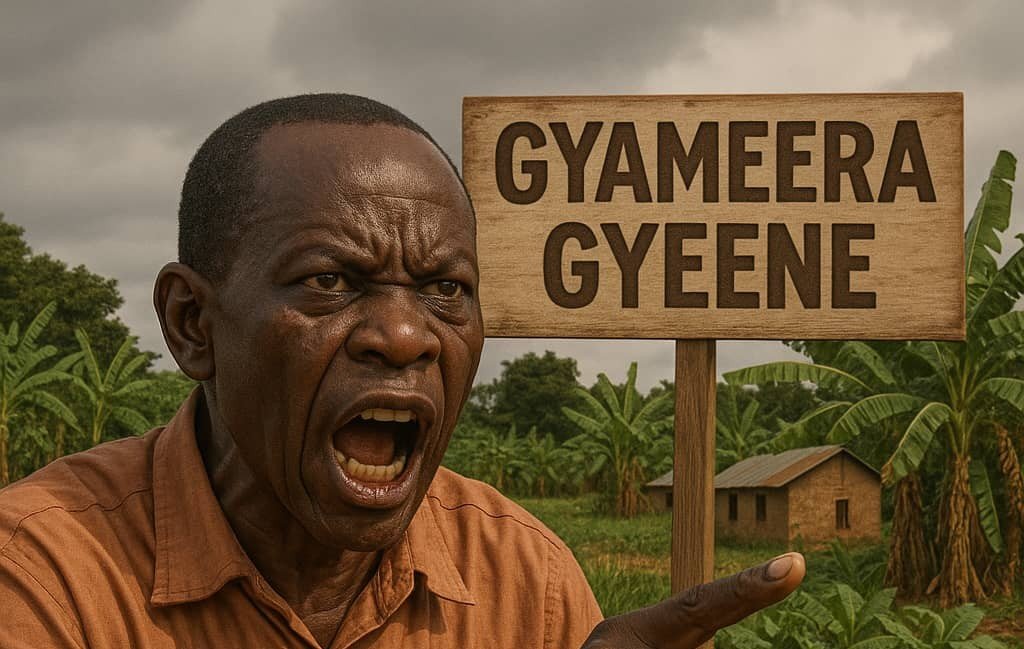
1. “Gyameera Gyeene”: When Survival Becomes Surrender
In Busoga, there is a phrase that rolls off the tongue too easily—“Gyameera gyeene”—it grew by itself.
We say it with pride.
We say it with resignation.
But do we realize what we are confessing?
> We are admitting that our survival is now accidental. That our food security is no longer the result of planning, strategy, or intentional effort—but of rainfall, chance, and God’s grace.
And no wonder, “Tulaambala ku ndhoolo”—at least we sleep, even if it’s on empty stomachs, under leaking roofs, in a land that once fed Uganda.
But at what cost are we sleeping?
We sleep while sugarcane farmers are cheated.
We sleep while fishers are beaten.
We sleep while our sons die in Arab countries.
We sleep while others eat from our rivers, exploit our land, and sell our stories.
2. What Does Busoga Grow? And What Has Busoga Gained?
Let us ask plainly:
What are Busoga’s food and cash crops today—and who profits from them?
🔹 Food Crops (subsistence):
Cassava
Sweet potatoes
Bananas (matooke)
Maize
Rice (especially around Kamuli and Mayuge)
Beans and groundnuts
These should be enough to feed and trade. But what happens?
> We produce food, but we do not process it. We grow it, others package it. We harvest, but don’t profit.
Farmers sell raw produce for pennies.
Middlemen, mostly from outside Busoga, control the transport, storage, and markets.
No cooperative banks. No warehousing systems. No agro-processing plants.
🔹 Cash Crops (historically):
Sugarcane
Cotton (now nearly extinct)
Coffee (very little compared to other regions)
Rice (in some wetland belts)
Fishing (which has now been militarized)
So what happened?
> Sugarcane has become a debt crop—you grow it, wait two years, and get paid less than it cost to plant.
Cotton is no longer viable—our ginneries are dead.
Fishing has been criminalized.
Coffee is being promised—but already captured by foreign contracts.
Busoga is now caught between subsistence and exploitation—we grow food to survive, and we grow cash crops to suffer.
3. The Gigar-Infested Busoga: The Slow Decay of the Human Body and the Spirit
Busoga has become the epicenter of gigar infections, jiggers that eat into flesh and dignity. But what is worse:
> The gigars in our feet are not as dangerous as the gigars in our leadership—those who eat away at opportunities, steal public funds, and come back with “handouts” during campaigns.
We now walk barefoot on fertile land.
Children drop out of school for lack of sanitary pads and books.
Boda-boda riders sell their vote for 5,000 shillings.
Wives bury husbands in polythene sheets because the health centers have no medicine.
And yet, the same people return to promise sugar factories, fish cages, and coffee dreams.
> This is not underdevelopment. It is organized helplessness.
4. Busoga’s Fatalism is Being Used Against It
“Tunywe,” “tulye,” “tulambale ku ndhoolo”—Let us eat, let us sleep, let us forget.
These cultural fatalisms have now been weaponized against us.
The state knows:
We will not protest.
We will not vote differently.
We will wait on God, even when it’s the government that abandoned us.
We will go to church and dance at the campaign rally and say “Obusoga bwetulimu, Katonda y’ajja okutuyamba.”
Yes, God helps—but God does not vote. God does not plant crops. God does not clean up policy corruption.
> Faith without strategy is poverty.
5. The Coffee Lie: Another Sip of Betrayal
Let us say it again: This coffee drive is not for you.
It is:
A distraction from the failed sugarcane industry.
A new avenue for contract signing with foreign interests.
A vote-harvesting trick dressed as economic inclusion.
Busoga has no ownership in:
Coffee marketing boards
Coffee export licenses
Processing plants
Even the famous Vinci coffee deal was exposed for its secrecy and corruption.
So, when they say “Grow coffee”, they mean:
> “Grow our profits. You just do the work.”
6. What Must Busoga Do? The Fire That Must Return
Basoga must now stop sleeping on ndhoolo and rise with sharp minds and organized hands.
Here’s what must happen:
Revive cooperative societies to control pricing and transport.
Demand policy equity in agro-processing infrastructure.
Push for financial institutions that favor local farmers, not corporate cronies.
Challenge sugar mill cartels and demand a price floor.
Establish fishers’ unions to fight back against brutality.
Reject vote-buying and emotional tribal baiting.
This is not rebellion—it is agricultural self-defense.
> The era of gyameera gyeene must end. The era of gyalimerwa wano (intentional planting) must begin.
Final Word: Busoga Must Stop Begging for What it Already Owns
You own the land.
You own the lake.
You own the crops.
You own the vote.
But you have given your future to those who only visit when elections draw near.
The question is no longer “What will they do for us?”
The question is:
> “When will we stop allowing ourselves to be lied to with our own land?”
Let the sleeping giant of Busoga rise.
Not with machetes, but with memory.
Not with rage, but with reason.
Not with tears, but with tactics.
# Suigeneris