

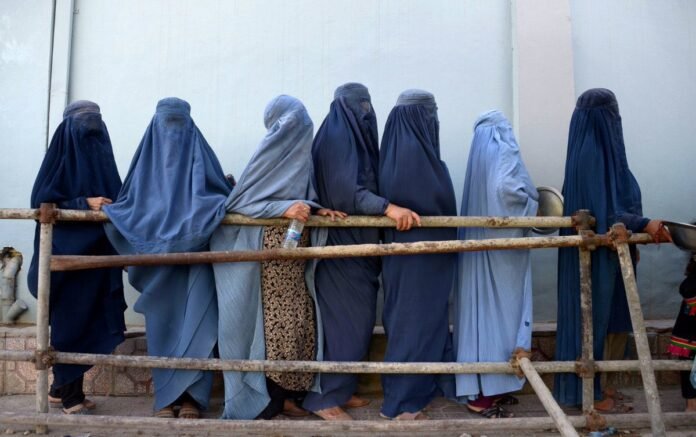
A new 90-page penal code introduced by Afghanistan’s Taliban-led government has triggered a wave of international criticism. Human rights advocates and legal experts warn that the legislation significantly undermines the protections of women and children, effectively rolling back decades of progress in the region.
The “Obscene Force” Regulation
The reported code permits husbands to “physically discipline” their wives and children, provided that the actions do not result in severe visible injuries. According to the document, legal consequences for domestic violence are minimal even in extreme cases:
- Minimal Sentencing: If a husband uses “obscene force”—defined as causing clear fractures or serious bodily harm—the maximum penalty is just 15 days in prison.
- Burden of Proof: Legal action against a husband can only proceed if the wife is able to present definitive proof of the abuse in a court of law, a requirement that advocates say is nearly impossible given the current social and judicial structure.
Restrictions on Movement and Detainment
The penal code also introduces strict regulations regarding the movement of married women. Authorities are allegedly empowered to detain a married woman for up to three months if she is found to have visited relatives without the explicit consent of her husband.
Rights Groups Respond: “Legitimising Abuse”
The exiled Afghan rights group Rawadari, which claims to have accessed a copy of the new code, has been vocal in its opposition. The group cautions that these rules treat women as the property of their husbands rather than as autonomous citizens.
Rawadari warned that the law:
- Legitimises Domestic Violence: By providing a legal framework for “discipline,” the code removes the stigma and protection against assault.
- Increases Vulnerability: Children and women now face a heightened risk of violence with virtually no state-sponsored safety net.
- Erodes Precedent: The law effectively erases the protections established under the 2009 Elimination of Violence Against Women (EVAW) legislation, which was a cornerstone of human rights progress in the previous decade.
International Call for Intervention
The human rights community is calling on the United Nations and other international bodies to intervene immediately. The fear is that the formal enforcement of this penal code will finalize the transition of Afghanistan into a state where women are legally excluded from basic protections against physical harm and arbitrary detention.
“This is a total reversal of human dignity,” one advocate noted. “The international community cannot stand by while abuse is written into the national law of a country.”
Source: The Independent
Related Posts:
Russia Blocks WhatsApp and Curbs Telegram in Favour of State-Backed “Max”
Strategic Abdication vs. Pragmatic Triumph in the Indo-US Trade Framework