

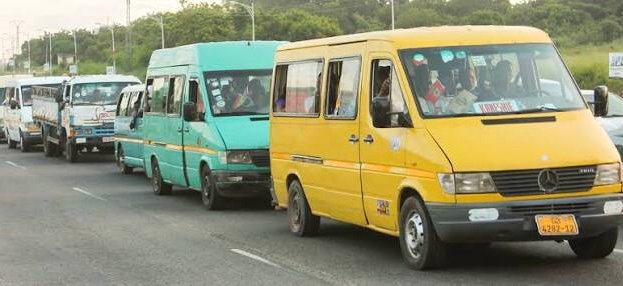
Authorities in Ghana’s Ashanti Region have stepped up enforcement measures against commercial transport operators accused of charging passengers fares above officially approved rates. The intensified action, led by officers from the National Security Secretariat in collaboration with the Kumasi Metropolitan Assembly (KMA), forms part of a broader effort to regulate public transportation costs and protect commuters from exploitation.
The special operation commenced on Monday, January 26, with joint security teams deployed across key transport corridors within the Greater Kumasi area. Officials say the initiative is designed to identify, sanction and deter drivers and transport unions who fail to adhere to fare structures set by regulatory bodies. The exercise is also expected to be rolled out to additional districts in the region as monitoring and enforcement activities expand.
Objective of the Exercise
According to regional authorities, the clampdown aims to restore discipline in the commercial transport sector, where complaints of arbitrary fare hikes have become increasingly common. Passengers have frequently reported being charged above standard rates, particularly during peak hours, fuel price fluctuations, and periods of high demand. By reinforcing compliance with approved fare guidelines, officials hope to stabilise transport costs and reduce financial pressure on daily commuters.
The operation is being carried out through coordinated roadside inspections, spot checks at major terminals, and engagement with transport unions. Security personnel and municipal officers are also verifying vehicle documentation and fare charts displayed inside commercial vehicles to ensure transparency and accountability.
Vehicle Impoundments and Investigations
As part of the enforcement drive, several vehicles suspected of violating fare regulations have been impounded. These vehicles have been towed to the Kumasi Metropolitan Assembly yard located within the premises of the Ashanti Regional Coordinating Council. Owners and drivers of the affected vehicles are currently undergoing administrative and legal investigations to determine the extent of their infractions.
Authorities emphasise that impoundment is not solely punitive but also serves as a deterrent to others who may consider flouting established fare directives. Depending on the findings of investigations, sanctions may range from fines and warnings to prosecution under applicable transport and consumer protection laws.
Official Warning to Transport Operators
Speaking to local media, the Ashanti Regional Deputy Security Coordinator, Alhassan Tapsoba, issued a firm caution to commercial drivers and transport unions, urging them to comply with approved pricing structures. He stressed that while the security taskforce is prepared to work cooperatively with compliant operators, deliberate refusal to follow regulations will attract legal consequences.
Tapsoba noted that drivers who persist in charging unauthorised fares risk being handed over to the police for further action. He added that the approach of the taskforce combines flexibility with firmness — rewarding compliance while penalising repeated violations. The message, he said, is intended to send a clear signal that enforcement will remain consistent rather than temporary.
Broader Implications for Commuters and the Transport Sector
The renewed enforcement initiative reflects ongoing concerns about the cost of urban transportation and its impact on household budgets. In cities like Kumasi, where a large proportion of residents rely on commercial minibuses and taxis for daily mobility, fare increases can significantly affect living expenses. Consumer advocacy groups have welcomed stricter monitoring, arguing that predictable and regulated fares help maintain fairness in the system.
Transport unions, on the other hand, often cite rising operational costs — including fuel prices, vehicle maintenance, and spare parts — as reasons for fare adjustments. Authorities acknowledge these challenges but maintain that any changes must be officially sanctioned through established regulatory processes rather than unilateral decisions by individual drivers.
Expansion of Monitoring Efforts
Officials indicate that the current operation is only the first phase of a longer-term compliance strategy. Plans are underway to introduce periodic checks and collaborative engagements with transport associations to prevent future infractions. Public awareness campaigns may also accompany enforcement actions to educate both drivers and passengers on approved fare structures and reporting channels for violations.
Source: Africa Publicity