
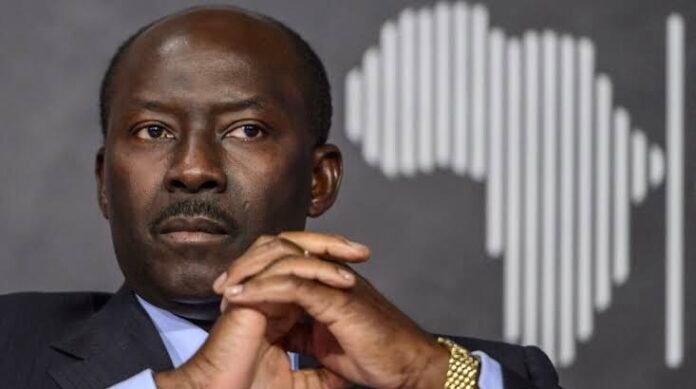
Gabonese President Brice Oligui Nguema has reorganized the country’s economic leadership, replacing Finance Minister Henri-Claude Oyima as concerns grow over debt sustainability, tightening liquidity, and mounting payment arrears in the oil-dependent Central African nation.
According to a presidential decree issued late Thursday, Thierry Minko, previously a technical adviser to the presidency, has been appointed Minister of Economy, Finance, Debt and Shareholdings, with an expanded mandate that also includes tackling the rising cost of living. Marc Abeghe, another senior official, has been assigned responsibility for the national budget within the same ministry.
Mounting Financial Pressures
The reshuffle comes at a time when Gabon is facing increasing fiscal stress. The country has relied heavily on regional capital markets to finance government operations, but investor demand for Gabonese debt has weakened sharply in recent months.
In December, ratings agency Fitch downgraded Gabon’s long-term foreign-currency issuer default rating, citing a widening budget deficit, limited access to official creditor financing, and growing refinancing risks. Fitch warned that public debt is on a steep upward trajectory, projecting it to rise from 72.9% of gross domestic product in 2024 to over 86% by 2027.
The agency also highlighted rising arrears and constrained liquidity as key vulnerabilities, particularly as global financial conditions remain tight for emerging and frontier markets.
Change at the Top
Henri-Claude Oyima, a well-known banker and business executive, had only taken up the finance portfolio in May, shortly after President Nguema won Gabon’s first presidential election since assuming power following a military coup in 2023. His short tenure coincided with growing scrutiny of Gabon’s fiscal position and borrowing strategy.
The appointment of Minko signals a possible shift toward tighter financial oversight and a broader focus on debt management and state-owned assets, areas that have drawn concern from international lenders and ratings agencies.
Government Seeks New Revenue
As part of efforts to stabilize public finances, the presidency announced in December that it plans to introduce a new housing-related tax in 2026. The levy is intended to fund improvements in public lighting, road maintenance, and urban sanitation, particularly in major cities.
With oil revenues vulnerable to price swings and financing options narrowing, analysts say Gabon faces difficult policy choices as it seeks to rein in spending, boost revenue, and restore investor confidence while managing social pressures linked to inflation and living costs.
Source: Africa Publicity