

By Hassan Solokoh Bockarie
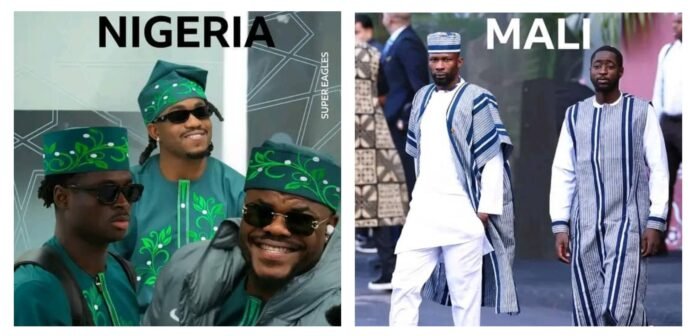
As Africa counts down to the kickoff of the 2025 Africa Cup of Nations (AFCON), the arrival of national teams in Morocco has already turned heads—not just for footballing pedigree, but for a striking celebration of African culture and identity.
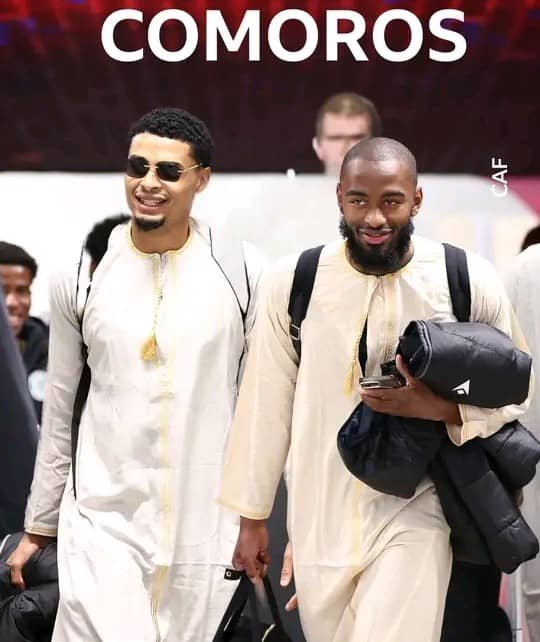
From flowing agbadas and intricately woven kente, to embroidered kaftans, dashikis and regal boubous, African players stepped off planes dressed in traditional attire that reflected the rich heritage of their home countries. The colourful displays transformed airports and hotels into vibrant cultural showcases, underscoring that AFCON is more than a football tournament—it is a continental celebration.
Teams from West, East, Central and Southern Africa proudly represented their roots, blending modern athletic stardom with ancestral pride. Social media platforms were quickly flooded with images and videos of players posing confidently in traditional garments, drawing admiration from fans across the continent and the diaspora.
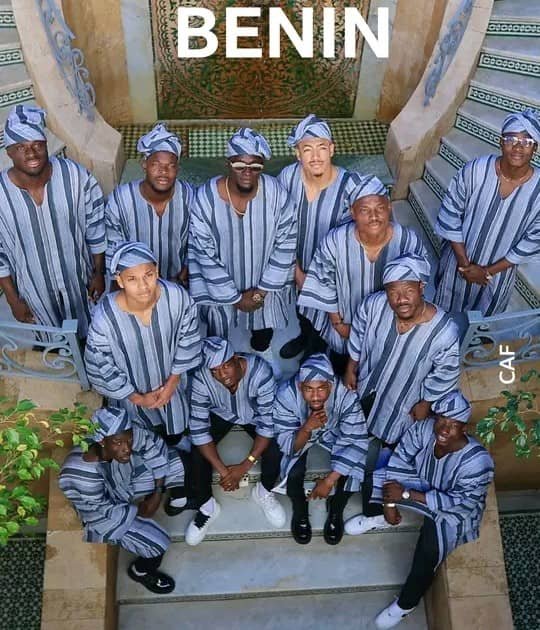
Football analysts and cultural commentators alike have praised the moment as a powerful expression of African identity on a global stage. For many players, the attire symbolised respect for their origins and a reminder of the communities they represent whenever they step onto the pitch.
“This is about who we are,” said one team official on arrival. “Football gives us a platform, but culture tells our story.”
AFCON has long been known for its passion, flair and unpredictability, but recent editions have increasingly become stages for cultural expression. Players and teams now consciously use arrival ceremonies and pre-match appearances to highlight Africa’s diversity, unity and creativity.
Morocco, the host nation, has embraced the colourful arrivals, with local fans welcoming teams with traditional music and hospitality. The North African country, rich in its own cultural history, provides a fitting backdrop for a tournament that blends sport with heritage.
Beyond fashion, the cultural displays have sparked conversations about identity, pride and representation, particularly among young Africans. Many fans see the players as role models who prove that embracing tradition and modern success can go hand in hand.
As preparations intensify and teams shift focus to tactics and training, the opening moments of AFCON 2025 have already delivered a memorable message: African football is inseparable from African culture.
When the first whistle blows, the focus will turn to goals, rivalries and silverware. But long after the final match, the images of African stars dressed in heritage—standing tall, colourful and proud—will remain a lasting symbol of what AFCON truly represents: unity in diversity, strength in identity, and pride in culture.