

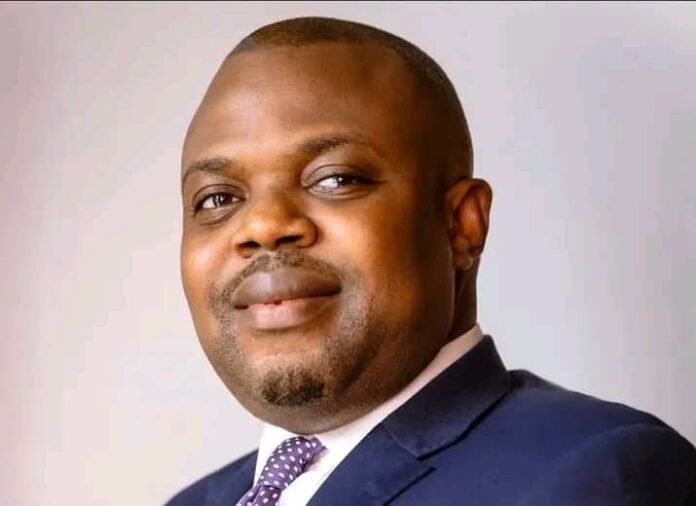
By Hassan Solokoh Bockarie
The Campaign for Human Rights and Development International (CHRDI) has raised concerns over Sierra Leone’s ongoing constitutional and electoral reform processes, warning that while the reforms present an opportunity to strengthen democratic governance, certain provisions risk undermining electoral integrity, political pluralism, and public trust.
According to CHRDI’s policy brief, the 1991 Constitution of Sierra Leone remains the foundational document underpinning the nation’s legal and political systems. It affirms the protection of fundamental human rights, promotes democratic principles, and guarantees the separation of powers among the Executive, Legislature, and Judiciary, while providing a framework for presidential authority, legislative oversight, and an independent judiciary.
The policy brief notes that recent efforts to deepen democracy have focused on constitutional review initiatives launched in 2021 and electoral reforms enacted in 2022. These reforms aim to address longstanding governance challenges by reviewing executive powers, strengthening judicial independence, enhancing human rights protections, improving electoral transparency, and refining voter registration and candidate eligibility processes.
CHRDI emphasises that elections should serve as moments when citizens freely express their will, influence government direction, and choose their representatives. Improving and safeguarding the quality of elections remains a critical policy challenge for Sierra Leone’s democratic development, according to the organisation.
While electoral reform is a vital pathway to credible elections, through regulating campaign finance, setting sanctions against electoral intimidation, and clarifying how votes translate into seats, CHRDI cautions that poorly designed reforms can also become a “trapdoor for democracy” if they are used to manipulate outcomes or exclude political actors.
The policy brief further outlines that despite constitutional guarantees of multiparty democracy and political pluralism, Sierra Leone continues to grapple with deep ethnic and political divisions. The policy brief notes that these divisions were evident during the disputed 2023 general elections, which necessitated the Agreement for National Unity (ANU) to ease tensions between the government and the opposition All People’s Congress (APC).
While the Agreement for National Unity led to reduced political tensions, increased dialogue, the return of the APC to governance institutions, and the formation of a Tripartite Committee to review electoral systems, CHRDI raises concern over the draft Constitution of Sierra Leone (Amendment) Act 2025. The organisation notes gaps including the exclusion of persons with disabilities from key nomination bodies, unrealistic election petition timelines, unclear criteria for independent candidates, and provisions seeking to deregister political parties that fail to win two consecutive national elections.
CHRDI acknowledges that the proposed bill introduces positive measures such as a 30 per cent gender quota, clearer election timelines, limits on certain presidential powers, and provisions reinforcing the political neutrality of security forces. However, it warns that other elements could concentrate power, weaken the separation of powers, threaten multiparty democracy, and erode public confidence in governance institutions.
The organisation situates the current reform process within Sierra Leone’s broader constitutional history, from the 1999 Lomé Peace Accord and the Truth and Reconciliation Commission’s call for inclusive reform, to successive constitutional review efforts between 2007 and 2017 supported by international partners. It warns that failure to implement credible and inclusive reforms could worsen electoral vulnerabilities, threaten human rights, and damage Sierra Leone’s democratic credibility both nationally and internationally.
In its policy recommendations, CHRDI calls for extending the timeline for determining presidential election petitions to at least 20 days, establishing a comprehensive electoral dispute resolution mechanism, clarifying eligibility requirements for independent presidential candidates, ensuring inclusive representation, especially persons with disabilities—on search and nomination committees, and reconsidering provisions to deregister political parties for failing to win consecutive elections, which the organization argues contradict the spirit of multiparty democracy.