

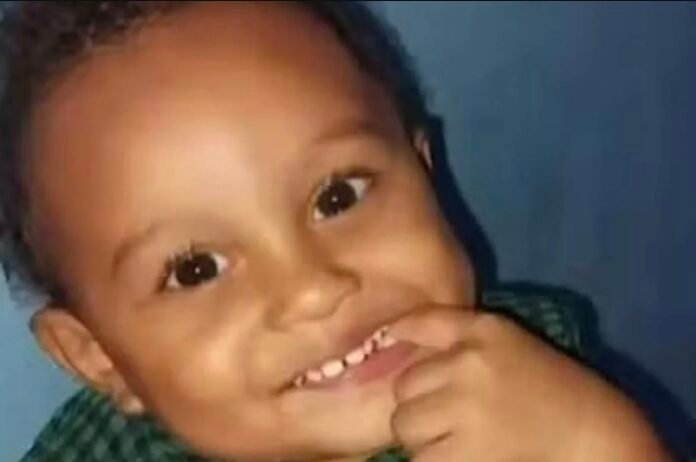
A 23-year-old man has been arrested in the Brazilian state of Rio de Janeiro following the death of his two-year-old stepson, in a case that has sparked public concern and renewed attention on child protection and domestic violence.
The incident occurred in the city of Queimados, where the child, identified as Henry Gabriel, was taken to a local emergency department by his step-father, Paulo Cesar da Silva Santos, on the morning of December 1st. Health workers who examined the boy reportedly observed multiple signs of physical trauma and immediately alerted the authorities, including police and child protection services.

Despite medical intervention, the child later died from his injuries.
According to statements released by the police, Santos admitted during questioning that he had struck the child out of anger after the boy had soiled his nappy. Officials said the assault was carried out using his hands and a household item. He was arrested shortly afterward and has since been charged with aggravated homicide. He remains in custody as the investigation continues.
A preliminary medical report documented several injuries on the child’s body, which investigators say are consistent with repeated physical abuse. Forensic specialists are conducting additional examinations to determine the full extent and timeline of the injuries, and final autopsy results are still pending.
Police Chief Julio da Silva Filho told reporters that the child had shown signs of fear around the step-father prior to the fatal incident. He cited testimony from the child’s grandmother, who said Henry appeared anxious and unsettled whenever the man was near. Neighbours have also reportedly come forward, stating that they had previously heard loud arguments and crying coming from the home.
“This was not a healthy or safe environment for the child,” the police chief stated. “There are indications of a pattern of abuse that may have gone unnoticed or unreported for some time.”
The child’s biological father, David dos Santos Barreto, expressed deep grief over the tragedy. In an emotional statement to local media, he said he was devastated by the loss of his son and called for justice to be served. He also urged greater vigilance in protecting children from domestic violence.
Family members disclosed that Henry lived primarily with his mother, Yasmin, and Santos during the week. On the morning of the incident, Yasmin had reportedly asked Santos to take the child to her mother’s house. Instead, two hours later, he arrived at the hospital with Henry in critical condition.
Authorities stated that the mother is currently not facing any charges. According to investigators, there is no evidence at this time that she was aware of the alleged abuse taking place in the home. However, she has been interviewed as part of the continuing inquiry.
In addition, some witnesses have told police that Santos had a history of aggressive behavior and possible drug use. These claims are now being investigated, and law enforcement officials say they are working to piece together a full history of events leading up to the child’s death.
The case has drawn considerable attention in Brazil, where incidents of domestic and child abuse remain a serious concern. Child welfare advocates have once again called on communities to report signs of mistreatment and for stronger support systems for vulnerable families. Social services in Rio de Janeiro have reiterated that suspected abuse should be reported immediately to ensure early intervention.
Officials are urging anyone who may have additional information about the child’s treatment or home environment to come forward as the investigation remains ongoing.
Santos is expected to appear in court in the coming days, where a judge will decide whether he will remain in custody while awaiting trial. If convicted, he could face a lengthy prison sentence under Brazil’s laws governing crimes against minors.
Meanwhile, authorities say they are reviewing the case not only as a criminal matter but also as a tragic example of the consequences of untreated violence and lack of early intervention in vulnerable households. Investigators stress that their priority now is ensuring full accountability and preventing similar tragedies in the future.
Source:Africa Publicity