

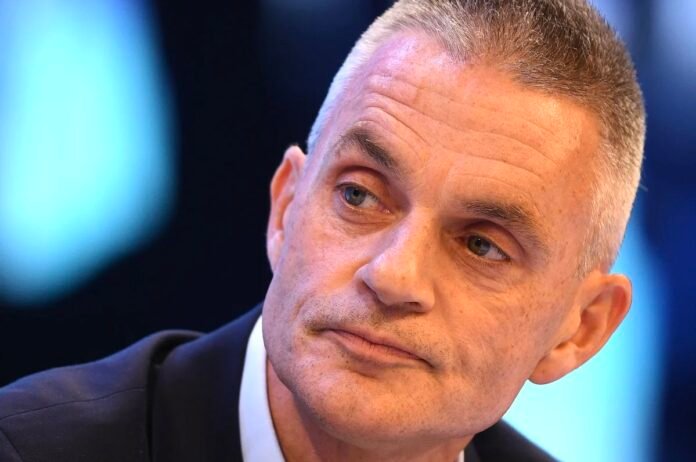
The BBC has been plunged into a major crisis following the sudden resignation of Director-General Tim Davie, who announced his departure amid escalating controversy over the editorial handling of a Panorama segment involving US president Donald Trump.
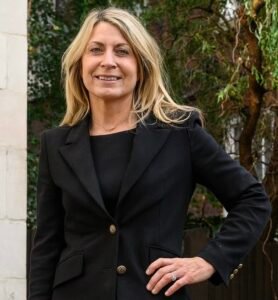
Davie’s exit comes just days after the publication of an internal dossier that alleged a pattern of editorial lapses within the broadcaster. Deborah Turness, the BBC’s CEO of News, has also resigned, acknowledging that the situation has caused “reputational damage” to the corporation.
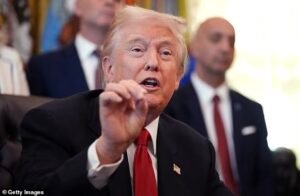
The controversy centres on the Panorama episode “Trump: A Second Chance?” broadcast shortly before the 2024 US election. Segments of Trump’s January 6, 2021 speech at the Ellipse in Washington were cut together in a way critics say could imply he planned to accompany his supporters to the Capitol “to fight like hell.” Trump’s team condemned the edit and branded the BBC’s output “fake news.”
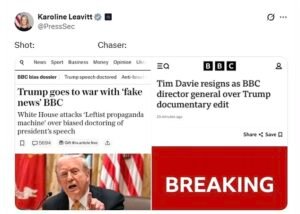
The political fallout has been swift. US White House press secretary Karoline Leavitt celebrated the resignation on X, while in the UK, several political figures have seized the moment to demand deep structural reform across the BBC.
Culture Secretary Lisa Nandy thanked Davie for his service but stressed the need for institutional trust to be rebuilt. Reform UK leader Nigel Farage called the resignations only “the beginning,” demanding a full culture reset. Conservative Party leader Kemi Badenoch echoed those concerns, arguing that editorial bias issues go far beyond this single Panorama episode.
The resignations come on top of a wave of editorial controversies in recent months:
• intense scrutiny over BBC Arabic’s coverage of the Israel–Gaza conflict,
• criticism after a Glastonbury broadcast included chants calling for violence,
• backlash over disciplinary action taken against a presenter who replaced the term “pregnant people” with “women” live on air,
• previous uproar surrounding Gary Lineker’s social media activity and an antisemitism row.
Davie admitted that while his departure was his own choice, the cumulative pressure of recent events influenced his decision. In his farewell message to staff, he stated: “There have been mistakes. As director-general, I have to take ultimate responsibility.”
BBC Chairman Samir Shah called this a “sad day for the corporation” and praised Davie as an “outstanding leader” who guided the BBC through unprecedented challenges.
The BBC now faces an urgent leadership search. With a Charter Review approaching and declining public trust already a major concern, both supporters and critics agree the next director-general will inherit a broadcaster at a turning point.
The stakes are high: the outcome of this transitional period could shape the BBC’s future funding model, editorial direction, and public legitimacy for years to come.
Source:Africa Publicity