

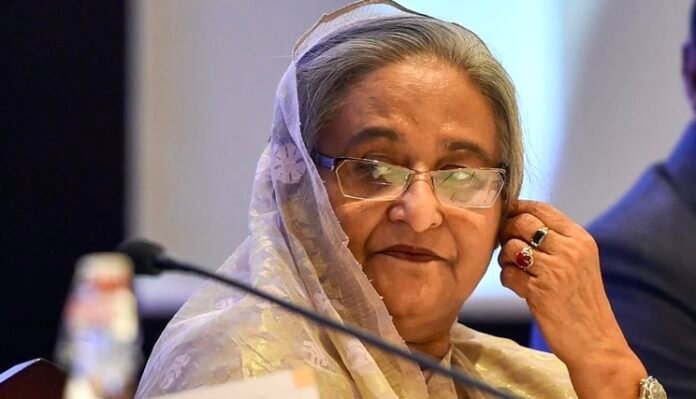
Bangladesh’s former Prime Minister Sheikh Hasina has been sentenced to death by a special war crimes tribunal after being found guilty of crimes against humanity linked to the violent suppression of student-led protests that toppled her government last year. The verdict, delivered Monday in Dhaka, marks one of the most dramatic legal actions taken against a former leader in the country’s history.
The three-judge panel ruled that Hasina, 78, ordered and encouraged security forces and ruling-party activists to use lethal force during months of unrest that began as demonstrations over civil service job quotas and escalated into a nationwide movement calling for her resignation. The UN Human Rights Office estimates that as many as 1,400 people were killed during the crackdown, most shot by security forces; the tribunal heard that more than 25,000 were injured.
Hasina, the aunt of UK Labour MP Tulip Siddiq, was tried in absentia. She has been living in exile in New Delhi since August 2024, after student protesters overran parts of Dhaka and forced her Awami League government from power following 15 years of increasingly authoritarian rule.
The tribunal convicted her on five counts, including murder, extermination, torture and other inhumane acts. Judges said there was “crystal clear” evidence that Hasina issued direct orders to eliminate protesters and encouraged ruling-party supporters to participate in the violence. The ruling alleged she authorised the use of live ammunition, drones and helicopters during operations to suppress demonstrations.
Hasina has repeatedly denied the accusations, insisting the case is politically motivated. Her legal team, which refused to participate further after earlier objections were dismissed, has filed an appeal to the UN Special Rapporteur on extrajudicial executions, arguing that the proceedings violated fundamental fair-trial standards.
The interim Bangladeshi government has formally requested her extradition from India, but New Delhi has not commented on the request, underscoring the regional diplomatic sensitivities surrounding the case.
The verdict comes at a volatile moment for Bangladesh, which is preparing for national elections expected in February. Analysts warn that sentencing a former prime minister to death—especially after a trial criticised by rights groups—could provoke fresh political unrest in a country already deeply polarised following last year’s upheaval.
ICC Prosecutors Push for Life Sentence for Convicted Darfur Militia Commander
Source:Africa Publicity