

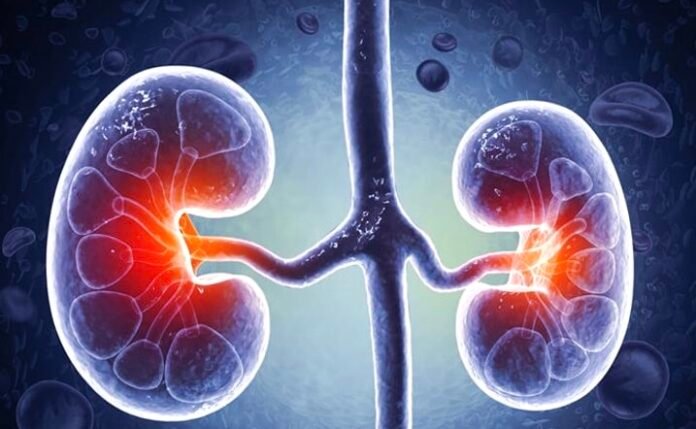
A kidney specialist in Ghana has warned that millions of people may be living with kidney disease without knowing it, highlighting the urgent need for early testing and healthier lifestyles.
Dr. Mensah Amoah, a physician specialist and nephrology fellow, says about 13 percent of Ghana’s adult population — roughly four million people — are affected by chronic kidney disease (CKD). Many of these individuals remain undiagnosed until the condition becomes severe.
A “silent disease” affecting millions
According to Dr. Amoah, chronic kidney disease often develops quietly with few or no symptoms in its early stages. Because of this, many people only seek medical care when the disease has already progressed to the final stage.
In advanced cases, known as Stage Five kidney failure, the kidneys can no longer function properly. At that stage, patients must rely on dialysis or a kidney transplant to survive.
Speaking in an interview with the Ghana News Agency on Friday, March 13, Dr. Amoah explained that the situation in Ghana is particularly worrying because most patients report to hospitals very late.
“At that stage the kidneys have completely failed and the only options are dialysis or kidney transplant, which are extremely expensive and not readily accessible for most Ghanaians,” he said.
Economic impact on the country
The specialist also noted that many people affected by the disease fall between 20 and 50 years, the most economically productive age group. This, he said, poses not only a health challenge but also a potential economic burden for families and the country.
Early detection can save lives
Despite the growing numbers, Dr. Amoah emphasised that early detection can significantly slow the progression of kidney disease. Routine screening tests can identify early warning signs before serious damage occurs.
He encouraged Ghanaians to undergo annual urinalysis and kidney function tests, which can detect abnormalities such as protein or blood in urine — indicators of possible kidney damage.
Importantly, he noted that urinalysis tests are widely available in health facilities and are covered under the National Health Insurance Scheme, making them accessible to many people.
People at higher risk
Dr. Amoah advised individuals with certain health conditions to pay closer attention to their kidney health. These include people living with:
•Hypertension (high blood pressure)
•Diabetes
•HIV
•Hepatitis B
•Kidney stones
•Cancer
These conditions increase the likelihood of developing chronic kidney disease if not properly managed.
Lifestyle changes can reduce risk
The specialist also stressed that lifestyle choices play a crucial role in preventing kidney disease.
He encouraged the public to:
•Reduce salt intake
•Eat balanced meals rich in vegetables
•Maintain a healthy body weight
•Exercise regularly
Foods such as canned products, salted fish, corned beef, sausages, and other processed foods often contain high levels of salt, which can raise blood pressure — one of the leading causes of kidney disease.
Dr. Amoah recommended 30 to 60 minutes of exercise three to five times a week, including activities like brisk walking, jogging, or gym workouts.
Caution over painkillers and herbal medicines
Another major concern raised by the specialist is the excessive use of certain painkillers and unregulated herbal medicines. Some medications can gradually reduce blood flow to the kidneys, while certain herbal products may contain harmful substances that damage the organs.
He therefore urged people to consult qualified medical professionals before frequently using herbal remedies.
Dr. Amoah also advised choosing whole fruits instead of processed fruit juices, which often contain high sugar levels and little fibre.
Overall, he stressed that regular health checks, healthy diets, and proper medical guidance are key steps in preventing kidney disease and protecting long-term health.
Source: Africa Publicity