

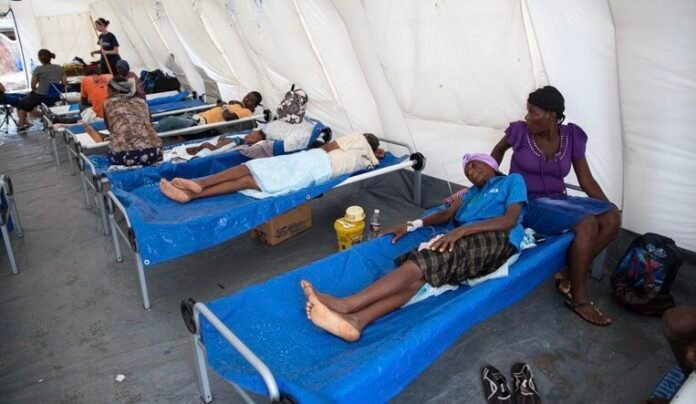
Africa is confronting its worst cholera outbreak in 25 years, with nearly 300,000 infections and more than 7,000 deaths recorded so far this year, the Africa Centres for Disease Control and Prevention (Africa CDC) said on Thursday. The agency warned that the crisis is being driven by deteriorating sanitation systems, ongoing conflicts, and the worsening impacts of climate change.
Speaking during a virtual press briefing, Dr. Jean Kaseya, Director-General of the Africa CDC, said the continent has seen a 30% increase in cholera cases compared to 2023, underscoring a growing public health emergency across multiple countries.
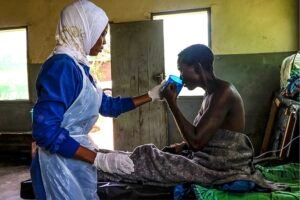
“This is the most severe cholera situation Africa has faced in over two decades,” Dr. Kaseya said. “Many of our member states are struggling with fragile health and water systems that cannot withstand the combined pressure of conflict, population displacement, and climate shocks.”
Cholera Spreading Rapidly in Conflict and Flood-Hit Regions
The worst-affected countries include Angola, Burundi, and the Democratic Republic of Congo, where thousands of people have been displaced by floods and conflict.
According to Africa CDC data, Angola and Burundi have reported a sharp rise in cases in recent weeks due to poor access to clean water and sanitation.
Cholera, a waterborne bacterial infection, spreads through contaminated food or drinking water and can kill within hours if left untreated. Outbreaks are common in regions where infrastructure has collapsed or where large populations are displaced.
While the situation in the Democratic Republic of Congo appears to be stabilizing after a nationwide vaccination drive, the outlook remains dire in parts of the Sahel, Horn of Africa, and Great Lakes region, where conflict and flooding have displaced millions.
The Africa CDC noted improvements in South Sudan and Somalia, where case numbers have begun to decline following emergency interventions supported by the World Health Organization (WHO) and humanitarian partners.
Climate Change and Infrastructure Failures Exacerbate Outbreaks
Health experts say that climate-related events — including heavy rains, droughts, and flooding — are making cholera outbreaks harder to control. Flooding often contaminates drinking water supplies, while drought conditions force communities to rely on unsafe sources.
“Climate extremes are amplifying the spread of waterborne diseases,” said Dr. Amina Sarr, an epidemiologist with the Africa CDC. “Without investment in clean water infrastructure and emergency preparedness, we will continue to see cycles of outbreak and loss of life.”
In many affected regions, particularly in East and Central Africa, decades of underfunding in public sanitation have left communities vulnerable. Humanitarian agencies have called for urgent action to strengthen water treatment facilities, improve hygiene awareness, and ensure access to vaccines in high-risk areas.
Other Health Threats Emerging Across the Continent
Beyond cholera, African health authorities are also responding to other public health concerns. The Africa CDC confirmed that Ethiopia has detected eight suspected cases of viral hemorrhagic fever, with laboratory tests underway to identify the cause. Rapid response teams have been deployed to the affected area to contain the suspected outbreak.
The agency also reported a decline in Mpox (formerly known as monkeypox) cases across several countries, but noted continued concern in Kenya, Guinea, Liberia, and Ghana, where local transmission persists.
Calls for Global Support and Long-Term Solutions
The Africa CDC is urging regional governments and international donors to scale up funding for water and sanitation infrastructure, deploy cholera vaccines, and strengthen disease surveillance systems to prevent further spread.
“This is not just a health issue; it is a crisis of inequality, infrastructure, and resilience,” Dr. Kaseya said. “To end these recurring outbreaks, Africa needs sustainable investment in public health systems.”
According to WHO data, cholera has re-emerged as one of the fastest-spreading infectious diseases globally, with cases reported in more than 30 countries worldwide this year — nearly half of them in Africa.
Source:Africa Publicity