
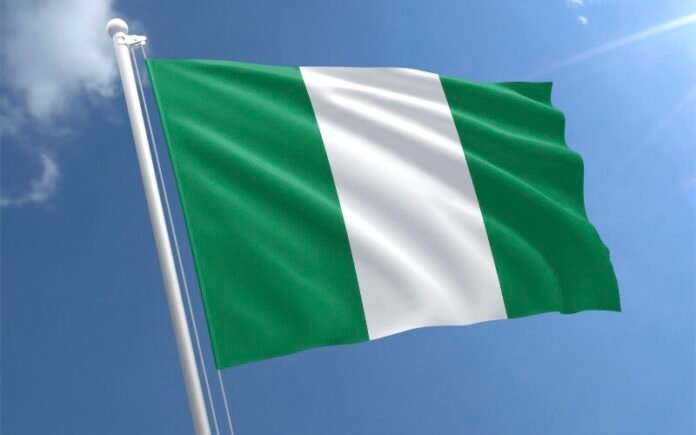
Nigeria has once again been ranked among the most corrupt countries in the world, maintaining its position as the 36th most corrupt nation globally in the 2025 Corruption Perceptions Index (CPI) released by Transparency International. The ranking highlights persistent governance and accountability challenges despite repeated anti-corruption pledges and reforms.
According to the latest index, Nigeria placed 142nd out of 182 countries assessed in 2025, slipping two places from its 140th position in 2024. While this drop reflects a relative decline compared to other countries, Nigeria’s status as the 36th most corrupt country remains unchanged from the previous year.
Nigeria recorded a score of 26 out of 100, a figure that signals deep-rooted public-sector corruption. Under the CPI methodology, a score of 0 represents extremely high corruption, while 100 indicates a very clean public sector. Nigeria’s score remains well below the global average, reinforcing concerns that corruption continues to undermine governance, service delivery, and public trust.
The country shared its score and ranking with Cameroon, Guatemala, Guinea, Kyrgyzstan, and Papua New Guinea, placing it among a group of nations struggling with similar integrity and accountability issues.
Global and Regional Context
At the opposite end of the index, Denmark emerged as the least corrupt country in the world, followed closely by Finland, Singapore, and New Zealand, all of which scored highly due to strong institutions, transparent governance systems, and effective rule of law. Notably, no African country featured among the world’s top 10 cleanest nations.
Within Africa, however, some countries continue to outperform others. Seychelles, Cabo Verde, and Botswana were ranked as the least corrupt on the continent, reflecting comparatively stronger governance frameworks and lower perceptions of public-sector corruption.
Meanwhile, countries such as South Sudan and Somalia remained among the worst performers globally. Venezuela was ranked the most corrupt country worldwide, according to the 2025 index.
What the CPI Measures
The Corruption Perceptions Index is widely regarded as the leading global indicator of public-sector corruption. It is based on assessments and surveys of experts and businesspeople, capturing how corruption is perceived rather than directly measured. Transparency International uses multiple data sources to ensure consistency and credibility in its rankings.
The 2025 report notes that corruption remains a persistent global problem. Many countries recorded little or no improvement, while others experienced outright declines. Transparency International warns that weak institutions, political interference, and limited accountability mechanisms continue to hinder anti-corruption efforts worldwide.
Nigeria’s Ongoing Challenge
For Nigeria, the unchanged score of 26 suggests that anti-corruption initiatives have yet to produce meaningful improvements in public perception. While authorities have frequently highlighted arrests, prosecutions, and asset recoveries, these efforts have not translated into sustained confidence in public institutions.
Corruption in Nigeria affects multiple sectors, including public procurement, law enforcement, politics, and service delivery. Analysts argue that inconsistent enforcement, lengthy court processes, and perceived political influence weaken the impact of anti-graft campaigns.
The persistence of corruption also has broader consequences. It discourages investment, increases the cost of doing business, worsens inequality, and erodes citizens’ trust in government. For ordinary Nigerians, corruption often translates into poor infrastructure, limited access to quality healthcare and education, and reduced economic opportunities.
Implications for Governance and Development
The latest CPI results come at a critical time as Nigeria seeks to strengthen economic recovery and institutional reform. Experts caution that without stronger political will, transparent leadership, and independent institutions, corruption will continue to slow development and undermine democratic governance.
Transparency advocates have called for deeper reforms, including improved transparency in public spending, protection for whistle-blowers, judicial independence, and greater accountability for public officials regardless of status.
As the 2025 ranking shows, Nigeria’s challenge is not just about enforcement but about rebuilding public confidence. Until meaningful and consistent progress is made, the country is likely to remain among the world’s most corruption-challenged nations, with serious implications for long-term growth and stability.
Source: Africa Publicity