

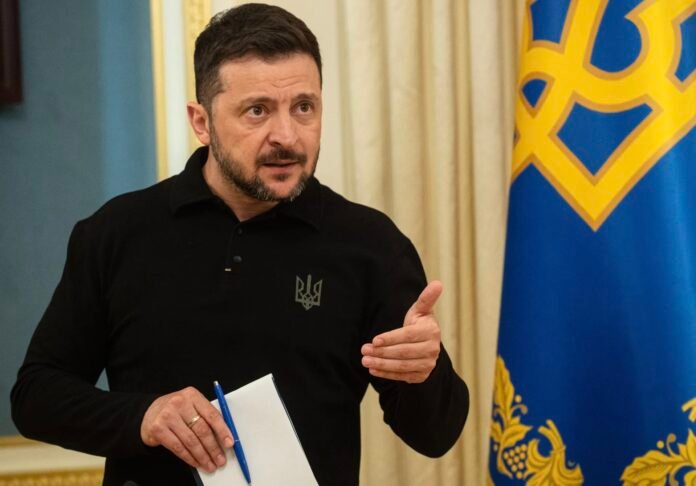
Ukrainian President Volodymyr Zelenskiy has accused Russia of carrying out a large-scale overnight assault on Ukraine’s energy infrastructure, saying Moscow launched more than 400 drones and roughly 40 missiles in a coordinated attempt to disrupt electricity supply across the country.
In a statement issued on Saturday, Zelenskiy said the attacks were directed at key components of Ukraine’s energy system, including power grids, electricity generation facilities, and distribution substations. He described the strikes as part of Russia’s continued strategy of targeting civilian infrastructure, particularly during colder periods, to exert pressure on the Ukrainian population and government.
“Every day, Russia has the opportunity to choose real diplomacy,” Zelenskiy said in a post on the social media platform X. “Instead, it chooses new strikes.” He added that Moscow was seeking to use winter conditions as a weapon by undermining heating and electricity supplies, and called on Ukraine’s partners to respond decisively.
According to Ukrainian authorities, air defence systems were activated in multiple regions as waves of drones and missiles approached from different directions. While officials said many of the incoming threats were intercepted, some infrastructure facilities were damaged, leading to emergency repairs and localized power disruptions. The full extent of the damage was still being assessed as of Saturday.
Energy officials said repair crews were deployed immediately after the strikes to stabilize the grid and restore electricity where outages occurred. Ukraine’s energy sector has repeatedly come under attack since the start of Russia’s full-scale invasion, with power facilities often singled out during periods of high demand.
Zelenskiy stressed that the latest assault underscores the gap between Russia’s public statements about diplomacy and its actions on the ground. He specifically referenced ongoing and proposed diplomatic efforts involving multiple parties, urging countries engaged in or supportive of such talks to take the attacks into account.
“It is crucial that everyone who supports trilateral negotiations responds to this,” the Ukrainian president said, without naming specific countries. “Moscow must be deprived of the ability to use the cold as leverage against Ukraine.”
Military analysts say Russia’s continued focus on energy infrastructure reflects an effort to weaken Ukraine’s resilience and strain its economy, even as front-line fighting remains intense. By targeting power generation and transmission, Moscow aims to complicate daily life for civilians and increase pressure on Kyiv ahead of diplomatic or military developments.
The Ukrainian government has repeatedly appealed to its Western allies for additional air defence systems, arguing that stronger protection is essential to prevent damage to critical infrastructure. In recent months, Ukraine has received advanced air defence equipment, but officials say the scale and frequency of Russian attacks continue to test existing capabilities.
International reaction to the latest strikes was still emerging, though several of Ukraine’s partners have previously condemned attacks on civilian infrastructure as violations of international humanitarian law. The United Nations and human rights groups have also warned that sustained attacks on energy systems can have severe humanitarian consequences, particularly for vulnerable populations.
Russia has consistently denied deliberately targeting civilians, maintaining that its strikes are aimed at military or strategic objectives. However, Ukrainian officials and independent observers say the repeated targeting of power facilities points to a deliberate campaign against civilian infrastructure.
As repair efforts continue, Zelenskiy reiterated Ukraine’s call for stronger international pressure on Moscow, including sanctions and military support, to prevent further attacks. He said the latest barrage was a reminder that the war remains far from over and that Ukraine’s energy security remains a central front in the conflict.
Source: Africa Publicity