

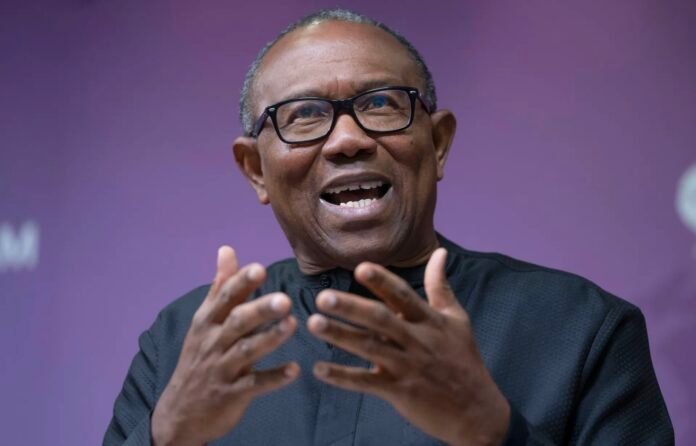
Former presidential candidate Peter Obi has criticised President Bola Tinubu over the persistent collapse of Nigeria’s national electricity grid, saying it undermines the President’s 2022 campaign pledge to provide steady power within his first four years in office.
Frequent Grid Failures
In a post on X (formerly Twitter) on Wednesday, Obi highlighted that the national grid has collapsed twice in January 2026 alone, while 2025 saw approximately 12 failures.
He stated,
“President Bola Tinubu’s campaign promise in 2022 was clear: ‘If I do not provide steady electricity in my first four years, do not vote for me for a second term.’ Yet, in January 2026 alone, the national grid has already collapsed twice, and the month is not even over. Last year, it collapsed about twelve times. This reality sharply contradicts the promise and should worry every patriotic Nigerian.”
Criticism of Presidential Absence
Obi also drew attention to Tinubu’s ongoing foreign visit to Turkey, noting the contrast in electricity capacity:
• Turkey, with roughly 87 million people (about a third of Nigeria’s population), reportedly generates and distributes over 120,000 megawatts of electricity.
• Nigeria, in comparison, struggles with less than 5% of that capacity, leaving millions of citizens without reliable power.
Obi urged the President to focus on domestic issues, saying,
“Our appeal is simple: stay at home and confront the nation’s problems. At this rate, we may soon hear of trips to Palau or Vanuatu while critical issues remain unattended at home.”
He further called on Nigerians to prioritize accountability and responsible governance over preoccupation with upcoming elections.
Recent Outages
According to PUNCH Online, the national grid failed again on Tuesday, January 26, 2026, marking the second collapse in four days. The breakdown caused a sharp drop in power generation and widespread electricity outages across the country.
Obi’s comments add to growing public frustration over Nigeria’s chronic electricity supply challenges and the slow pace of infrastructure development.
Source: Africa Publicity