
Ghana will begin refining one metric tonne of gold domestically each week from February 1, 2026, under a new agreement between the Ghana Gold Board and Gold Coast Refinery Limited. The initiative represents a major policy shift aimed at reducing the export of unprocessed minerals and increasing value retention within the local economy.
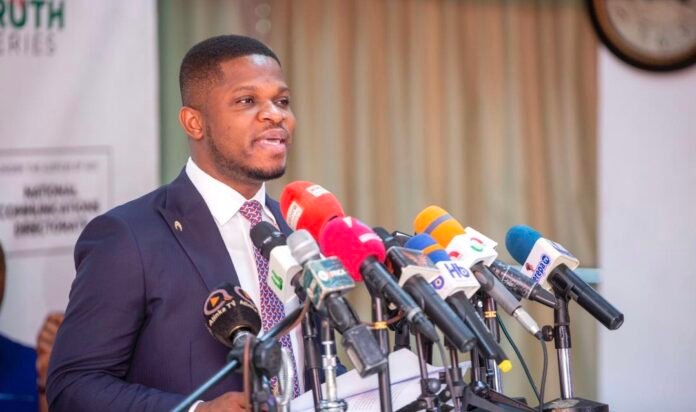
At a signing ceremony in Accra, Chief Executive Officer of the Ghana Gold Board, Sammy Gyamfi, said the deal marks a turning point in how Ghana manages its gold resources.
Under the arrangement:
• Up to 1,000 kilogrammes (one tonne) of gold per week exported by the Ghana Gold Board will be refined locally.
• The programme will be scaled up progressively, with the long-term objective of refining all Ghana Gold Board exports within the country.
• Refined gold will meet a minimum purity of 99.5%, with capacity to reach higher international standards required by global markets.
State Ownership and Strategic Control
The agreement also strengthens Ghana’s position in the gold value chain by granting the Republic a 15% free carried interest in Gold Coast Refinery. This stake will be held by the Ghana Gold Board on behalf of the state.
Mr. Gyamfi emphasised that this arrangement transforms the refinery from a mere service provider into a strategic national asset. He noted that Ghana now has an ownership interest in the facility refining its gold, reinforcing local control over a critical segment of the industry.
Addressing Underutilised Capacity
The policy shift follows concerns that Ghana’s largest refinery had been operating far below capacity, despite the country being Africa’s leading gold producer. According to the Ghana Gold Board, nearly all gold exports—about 99.9%—currently leave the country in raw or semi-processed form, resulting in lost revenue from refining fees and limited industrial benefits.
Technical Support and Global Standards
To strengthen technical capacity and international credibility, the partnership includes Rand Refinery, Africa’s only refinery accredited by the London Bullion Market Association (LBMA). This collaboration is expected to support Ghana’s ambition to eventually secure LBMA accreditation for its local refining operations, which would improve access to premium global markets.
Economic Impact
Beyond value addition, the local refining programme is projected to:
• Retain millions of dollars in refining fees within Ghana
• Support round-the-clock refinery operations
• Create direct and indirect employment opportunities
• Increase tax revenues and dividend income for the state
Mr. Gyamfi said the initiative aligns with President John Dramani Mahama’s directive to move Ghana from a resource extraction model to full value optimisation, ensuring that the country derives maximum economic benefit from its natural resources.
The commencement of weekly local gold refining in 2026 is expected to play a central role in Ghana’s broader industrialisation and minerals value-addition agenda.
Source: Africa Publicity