
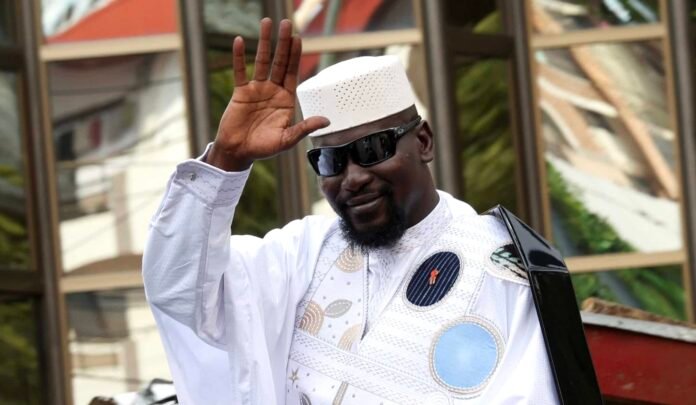
Guinea’s transitional leader, General Mamady Doumbouya, has been declared president after provisional results showed he won 86.72% of the vote in the December 28 presidential election, according to the national election commission. The margin gives him an outright win and a seven-year term, eliminating the need for a runoff.
Doumbouya came to power in September 2021 after leading a military coup that ousted then-president Alpha Condé.
At the time, he pledged that neither he nor other members of the transitional government would contest future elections.
That commitment was later superseded by a new constitution adopted in September, which cleared the way for his candidacy.
Opposition Reaction
• Several civil society groups and opposition figures have rejected the credibility of the vote, arguing it fell short of democratic standards.
• Faya Millimono, one of the candidates, alleged “systematic fraud,” including:
• Removal of election observers
• Ballot stuffing
• Voter intimidation
• As of Tuesday, election authorities and Doumbouya’s camp had not publicly responded to these accusations.
Participation Concerns
• Although nine candidates were listed on the ballot, major opposition parties — including RPG Arc en Ciel and the Union of Democratic Forces of Guinea (UFDG) — were barred from participating.
• Analysts say the absence of these influential parties meant the race lacked strong challengers, raising questions about competitiveness.
Digital Restrictions
• During the vote count, internet monitoring group NetBlocks reported restricted access to TikTok, YouTube, and Facebook.
• The government has not formally explained the disruptions, while critics claim they were intended to limit criticism and online mobilisation.
Public Sentiment and Governance
• Doumbouya continues to enjoy support among parts of Guinea’s youth population, who initially welcomed the coup as a break from entrenched political leadership.
• However, his administration has faced increasing criticism over:
• Restrictions on opposition activities
• Bans on street protests
• Pressure on independent media outlets
Guinea holds the world’s largest bauxite reserves and significant iron ore deposits.
The government recently launched the long-awaited Simandou iron ore project, one of Africa’s largest mining developments.
Despite vast natural wealth, the World Bank estimates that more than half of Guineans live in poverty, underscoring persistent economic challenges.
Any legal challenge to the provisional results must be filed with the Supreme Court, which has eight days to confirm or overturn the outcome.
The results remain provisional until formally validated by the Supreme Court.
Source: Africa Publicity