

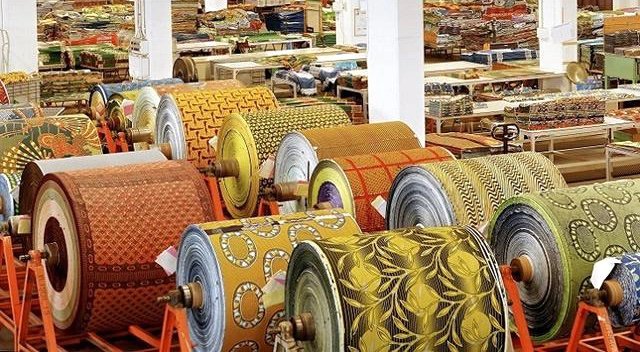
The Nigerian government is weighing a plan to modernise half of the country’s existing textile manufacturing capacity within the next five years, in a renewed effort to revive an industry long weakened by imports, structural bottlenecks and policy inconsistencies, according to a report by Punch newspaper.
Scope of the Proposed Revamp
Under the proposal, about 50% of Nigeria’s currently operational textile mills would be upgraded with modern, high-efficiency machinery. The initiative is part of a broader internal strategy aimed at restoring domestic production, improving competitiveness and reducing the country’s heavy reliance on imported fabrics and garments.
The plan is expected to be backed by several policy measures, including:
•Tax incentives for textile manufacturers
•The establishment of a national textile training institute to address skills gaps
•Single-digit interest loans to support equipment upgrades and working capital
Rising Imports Underscore Urgency
The proposed reforms come amid a sharp rise in textile imports. Official data cited in the report show that textile and textile-related imports reached ₦814.27 billion in the first nine months of 2025, highlighting the scale of foreign dependence despite repeated government pledges to revive the sector.
Figures from the National Bureau of Statistics (NBS) further indicate:
•₦228.83 billion in imports in Q1 2025
•₦337.12 billion in Q2 2025
•₦248.32 billion in Q3 2025
Industry stakeholders say these trends reflect longstanding challenges that domestic producers have been unable to overcome.
Industry Concerns
Textile operators quoted in the report attributed the import surge to a combination of:
•Weak policy execution and inconsistent government support
•Limited access to affordable financing
•Delays in promised institutional reforms
•Insecurity affecting production zones
•Declining cotton farming and inadequate local polyester supply
These constraints, they argue, have left local manufacturers uncompetitive against cheaper imported products.
Cautious Optimism From Manufacturers
Reacting to the proposed modernisation drive, Hamma Kwajaffa, Director-General of the Nigerian Textile Manufacturers Association, described the plans as a welcome departure from past approaches.
“The actionable plans under the recommendation are excellent,” he said, noting that earlier government responses often lacked clear implementation frameworks.
“If these proposals had been formally documented earlier, they could have helped slow the surge in textile imports.”
While details of funding and timelines are yet to be officially announced, analysts say successful execution of the plan could help revive jobs, strengthen local value chains and conserve foreign exchange. However, they warn that meaningful results will depend on consistent policy implementation, improved security and sustained support for raw material production.
For now, the proposed overhaul signals a renewed attempt by authorities to reverse decades of decline in one of Nigeria’s once-thriving manufacturing sectors.
Source: Africa Publicity