
By Emmanuel Mihiingo Kaija
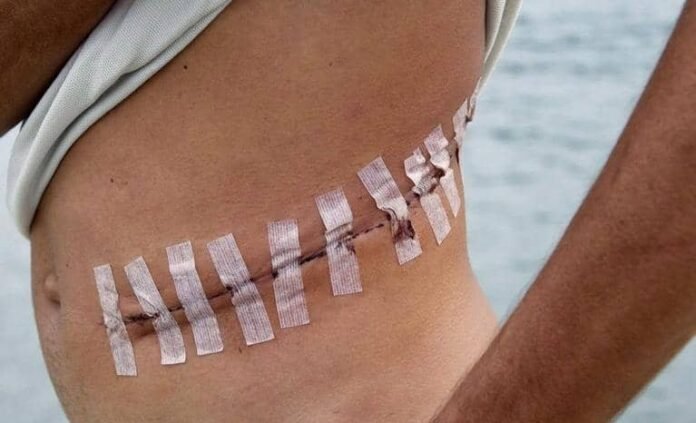
Organ trafficking in Africa constitutes one of the most insidious forms of transnational crime in the 21st century, exploiting entrenched poverty, weak health infrastructure, and the global demand for transplantable organs. The continent functions simultaneously as a source of trafficked organs, a corridor for transnational criminal networks, and an increasingly sought-after destination for transplant tourism. Kidneys, livers, corneas, and other tissues are illicitly harvested, transported, and transplanted with minimal ethical oversight, creating cascading biomedical, social, and economic consequences. The trade disproportionately affects vulnerable populations including rural youth, internally displaced persons, migrants, and economically marginalized communities, while enriching brokers, medical intermediaries, and complicit foreign recipients. Globally, human organ trafficking is estimated to account for 10,000–12,000 illicit transplants annually, with Africa contributing significantly to this figure despite underreporting due to weak surveillance, corruption, and cultural stigma. Kidneys dominate the trade, comprising approximately 70% of illicit procedures, followed by livers at 20% and corneas or tissue grafts at 10%. According to WHO data (2024), fewer than 35 operational kidney transplant centers exist in sub-Saharan Africa, concentrated in Egypt, South Africa, Kenya, Nigeria, and Ghana. The scarcity of legitimate transplant facilities drives desperate patients to clandestine networks, with brokers charging between USD 150,000–200,000 per kidney for foreign or local recipients, while donors, often impoverished, receive between USD 3,000–6,000, producing profit margins exceeding 90%. INTERPOL and UNODC reports estimate Africa’s illicit organ trade generates between USD 840 million and 1.7 billion annually, including associated travel, bribes, and clinical facilitation. These networks are highly structured, encompassing recruitment, clandestine transport, facilitation in clinics, postoperative concealment, and money laundering, allowing traffickers to operate across borders with remarkable resilience and minimal detection. The human cost is profound: victims face chronic kidney insufficiency, hypertension, cardiovascular complications, infections, psychological trauma, and social ostracization, compounded by long-term economic dislocation, as more than 45% of recovered victims require medical care for more than one year, yet fewer than 12% receive state-supported follow-up services. Social and familial networks are disrupted as donors are often removed from their communities, perpetuating cycles of vulnerability and disempowerment.
Traffickers exploit poverty, displacement, low literacy, and social marginalization. Investigative reports from Kenya, Nigeria, Egypt, Uganda, and South Africa indicate victims are predominantly aged 19–32, with men representing 65% and women 35% of trafficked kidney donors. Recruitment often involves false promises of employment, education, or debt relief, sometimes targeting refugees, internally displaced persons, and marginalized rural populations. Victims are coerced into surgeries without informed consent and receive inadequate post-operative care. Long-term health consequences include chronic kidney insufficiency, hypertension, cardiovascular disease, recurrent infections, and severe psychological trauma. Many survivors are ostracized by their communities, while economic vulnerability prevents reintegration into livelihoods, creating multi-generational social and economic harm. According to the African Union’s 2025 health report, the disparity between broker profits—USD 120,000–150,000 per successful transaction—and donor compensation underscores systemic exploitation. Local communities receive negligible benefits from the trade while their members are physically and economically endangered.
Medical infrastructure and regulatory weaknesses exacerbate the crisis. Hospitals, private clinics, and surgical centers have sometimes facilitated trafficking, exploiting regulatory loopholes and corruption. Investigations into Kenya’s Mediheal Hospital revealed 372 kidney transplants over five years, many involving unrelated donors and falsified consent forms. Similar findings emerge from Egypt, Nigeria, and South Africa, where unregulated procedures occur for domestic and foreign patients, bypassing formal ethical review. Across Africa, transplant registries are incomplete, ethical review boards inconsistently applied, and cross-border regulatory coordination minimal. Political instability in countries such as DR Congo and Somalia further weakens oversight. International initiatives, including INTERPOL Project ENACT, UNODC frameworks, and WHO guidelines, are unevenly enforced, leaving traffickers to exploit jurisdictional gaps, medical confidentiality, and limited forensic capacity. Transnational networks operate with sophisticated coordination, leveraging informal transport corridors, mobile money, offshore banking, and cryptocurrency, allowing them to profit while avoiding detection. Africa functions as both a source and conduit for transplant tourism, attracting foreign patients from Europe, Asia, and the Middle East who seek expedited procedures at costs triple domestic rates, further incentivizing clandestine operations. Recruitment, transport, surgery, and payment often span multiple countries, creating jurisdictional challenges for law enforcement and complex networks that involve brokers, middlemen, clinics, and complicit officials.
The socioeconomic and human rights impacts are multi-layered. Donors suffer chronic health complications, social ostracization, and psychological trauma. Brokers, intermediaries, and foreign recipients gain immense wealth. Communities experience dislocation, loss of trust, and erosion of social cohesion, particularly in rural areas where donors are forcibly removed. The illicit trade violates principles of bodily autonomy, informed consent, and the ICESCR framework, undermining human dignity and perpetuating structural inequities. Cumulative effects destabilize medical systems, amplify inequality, and produce long-term ethical, social, and economic consequences, disproportionately burdening vulnerable populations while enriching actors who are geographically and socially distant. Case studies illustrate the scope: former Nigerian senator Ike Ekweremadu was jailed in the UK for kidney trafficking, demonstrating transnational reach and involvement of high-profile individuals; Kenya’s Mediheal Hospital case exposed institutional complicity and regulatory failure; Egypt’s audits revealed unregulated domestic and foreign transplants; South Africa’s clandestine renal transplants for foreign nationals highlighted the blurred lines between legal tourism and illicit trade.
Afrocentric recommendations emphasize sovereignty, communal ethics, and sustainable solutions. Communities must reclaim oversight of health systems, integrating traditional leaders, elders, and councils to monitor donor recruitment, postoperative care, and advocacy. Local capacity building is critical: universities, teaching hospitals, and vocational institutions should train surgeons, nephrologists, nurses, and bioethicists with ethical frameworks rooted in African philosophy, such as Ubuntu (Omuntu ngumuntu ngabantu), Sankofa, and Yoruba ase, fostering responsibility for life within a collective framework. Ethical oversight should redefine organ donation as a sacred, communal act, embedding principles of solidarity, ancestral stewardship, and intergenerational responsibility. Economic alternatives for vulnerable populations—microfinance, cooperative agriculture, vocational programs, and educational scholarships—reduce susceptibility to exploitation. Pan-African investigative coalitions, coordinated by the African Union and regional bodies like ECOWAS and SADC, should harmonize regulations, share intelligence, and support cross-border prosecutions using AI, satellite mapping, and mobile reporting tools. Cultural and educational interventions leveraging African storytelling, oral traditions, and youth engagement help communities understand trafficking risks, ethical donation, and legal consequences. Local production of medical equipment and pharmaceuticals reduces dependency on external suppliers, disrupting opportunities for illicit intermediaries. Restorative justice programs must provide survivors with reparations, medical care, vocational training, and community reintegration, reflecting African principles of communal restoration. Data sovereignty initiatives ensure continental ownership of transplant and trafficking data, promoting transparency and accountability while respecting cultural norms. A Pan-African Ethical Certification for clinics adhering to Afrocentric medical and ethical standards can differentiate legitimate procedures from black-market activity, asserting African ethical authority over transplants.
Conclusion
In conclusion, organ trafficking in Africa is a multi-dimensional phenomenon arising from poverty, regulatory gaps, transnational demand, and systemic vulnerabilities. The crisis demands holistic, Afrocentric solutions that combine community engagement, local capacity building, ethical oversight, economic empowerment, and continental cooperation. Without intervention, the continent risks perpetuating cycles of exploitation, health crises, social dislocation, and ethical violations that compromise both present and future generations. Afrocentric strategies—rooted in philosophy, culture, and communal ethics—offer sustainable pathways to restore dignity, sovereignty, and justice.
Bibliography
1. World Health Organization. Global Observatory on Organ Donation and Transplantation Data (2024).
2. Adeyemo, D. D. Organ trafficking in Nigeria and sub-Saharan Africa. University of Port Harcourt Repository (2022).
3. Columb, Seán. Excavating the Organ Trade in Cairo, Egypt. British Journal of Criminology, 57(6):1301–1321 (2017).
4. Albertsen, Andreas. Ending the organ trade: ethical assessment. Monash Bioethics Review, 43(1):150–165 (2025).
5. AdeWumi & Ogunkorode. Regulation in Preventing Organ Trafficking: Kenya and Nigeria in Perspective. African Law Journal (2022).
6. INTERPOL. Human trafficking for organ removal: North and West Africa (2021).
7. Deutsche Welle. “Illegal organ traffickers in Africa prey on world’s poor.” DW (2024).
8. The Africa Report. “Underground kidney trade in Kenya.” (2025).
9. The Guardian. “UK jails former Nigerian politician for organ trafficking.” (Nov 2025).
10. Springer. “Investigating and prosecuting organ trafficking in Africa.” Trends in Organized Crime (2025).
11. Muller, Elmi. “Organ trafficking: clinical perspective from Africa.” Scripta Varia, Vatican (2025).
12. WorldMetrics. Organ Trafficking Market Data Report (2025).