

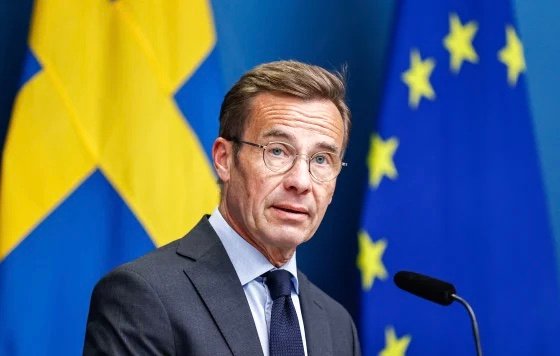
Sweden has confirmed that it will gradually end its bilateral development assistance to several countries in Africa and Latin America, including Zimbabwe and Mozambique, as part of a significant shift in foreign policy that prioritizes regional security in Europe and a more concentrated aid strategy. The move, which will be completed by August 31, 2026, also includes the closure of Sweden’s embassy in Harare, bringing an end to more than four decades of continuous diplomatic and development engagement in Zimbabwe.
The decision is rooted in a broader reform of Sweden’s international development framework. Swedish authorities say the country is streamlining its aid programme to focus on fewer partnerships, reduce long-term financial commitments overseas, and redirect resources to areas of growing geopolitical concern — particularly following escalating tensions in Europe since Russia’s invasion of Ukraine. As a recently admitted member of NATO, Sweden is restructuring its foreign policy and national budget to reflect its new security environment, which includes increased defence spending and bolstered engagement in its immediate region.
Officials in Stockholm have stressed that the withdrawal of bilateral aid should not be interpreted as a punishment or response to political developments in Zimbabwe or Mozambique. Instead, they describe it as a strategic realignment intended to make Sweden’s overseas development engagement more targeted and efficient. According to government spokespersons, reducing the number of partner countries is aimed at ensuring deeper impact where Sweden does remain engaged, rather than spreading resources too thinly across multiple regions.
Sweden’s embassy in Harare has played a central role in managing development programs since it was opened in 1980, shortly after Zimbabwe gained independence. Over the decades, Swedish funding supported initiatives in democratic governance, public health, gender equality, access to education, environmental protection, and sustainable mining practices. Civil society organisations, women’s rights groups, and local governance institutions have been among the major beneficiaries of Swedish-backed projects.
In Mozambique, Swedish support has historically focused on energy development, climate adaptation, peacebuilding efforts and health systems strengthening. Although bilateral funding will also be phased out there, authorities have indicated that Sweden’s embassy in Maputo will remain open, signalling an intention to maintain diplomatic and trade relations, even as direct development grants are discontinued.
Despite the termination of bilateral assistance, Sweden has pledged to continue humanitarian support through international organisations such as United Nations agencies and European Union programmes. Emergency relief funding, particularly for communities affected by climate-related disasters, conflict, or food insecurity, will not be halted. Officials say this allows Sweden to remain committed to global solidarity and crisis response without maintaining long-term state-to-state development commitments.
However, the decision has raised concerns among development experts and civil society organisations in the affected countries. Many fear that the withdrawal of a reliable donor could leave funding gaps in critical sectors like maternal healthcare, youth education, environmental conservation and democratic advocacy. In countries already facing economic instability, high unemployment, and climate risks, the loss of steady external assistance could further strain both government and non-governmental institutions.
Some analysts warn that Sweden’s departure may create opportunities for other global powers to increase their influence in the region. As Western donors reduce their footprint in parts of Africa and Latin America, countries such as China, Russia, and Gulf states could fill the vacuum through loans, infrastructure projects and military cooperation — agreements that may come with fewer transparency and human rights requirements.
Supporters of Sweden’s new approach, however, argue that long-term aid can sometimes create dependency and weaken domestic accountability. They suggest that the change could encourage greater self-reliance, improved domestic revenue collection and more sustainable development planning in the affected nations. In their view, trade, investment and technology transfer may prove more effective than traditional aid models over the long run.
For Zimbabwe, Mozambique, Tanzania, Liberia and Bolivia — the five countries affected by Sweden’s decision — the next two years will involve a transition period. Governments, NGOs and communities will need to seek alternative sources of funding, strengthen partnerships with other donors, and explore home-grown solutions to development challenges. How successfully each country adapts will likely depend on its political stability, economic management and ability to attract ethical foreign investment.
Source:Africa Publicity