

Ghana has taken a significant step in strengthening its response to climate change with the official launch of its National Adaptation Plan (NAP), a long-term, strategic framework designed to help the country prepare for and respond to increasingly severe climate impacts.
The plan outlines priority actions to protect vulnerable communities, strengthen infrastructure, preserve ecosystems, and ensure sustainable development in the face of rising temperatures, erratic rainfall, coastal erosion, and extreme weather events.
The NAP was developed by the Environmental Protection Authority (EPA) under the Ministry of Environment, Science and Technology and Innovation, with financial and technical support from the Green Climate Fund (GCF) and the United Nations Environment Programme (UNEP), which served as the delivery partner. Work on the plan began in 2017, followed by years of technical assessments, nationwide consultations, and institutional reviews before it was formally introduced in June 2020 and later finalized for official rollout.
Its recent launch in Accra brought together a wide cross-section of stakeholders, including representatives from government ministries and agencies, the private sector, civil society organisations, financial institutions, youth groups, academic institutions, development partners and non-governmental organisations. The event was designed not only to introduce the plan but also to present implementation strategies, financing options, and opportunities for public-private collaboration.
Speaking at the launch, Nana Dr. Antwi Boasiako Amoah, the National Adaptation Plan Coordinator and Director in charge of Climate Vulnerability and Adaptation at the EPA, explained that the document provides the country with a clear and coordinated roadmap for adapting to climate risks. According to him, it will guide national and sector-specific planning while improving coordination among ministries, departments, local assemblies, and development partners.
He noted that the plan aligns with Ghana’s obligations under the Paris Agreement and is rooted in evidence gathered from detailed assessments of climate hazards, risks, and vulnerabilities across different regions of the country. These studies examined the potential impact of climate change on agriculture, water resources, human health, biodiversity, infrastructure, coastal zones, and urban settlements.
Dr. Amoah also highlighted the inclusive nature of the planning process, which incorporated gender considerations, youth participation, community engagement, and private-sector involvement. As part of the process, strategies were developed to promote women’s participation in climate action, strengthen youth engagement in environmental advocacy, and encourage businesses to invest in climate-resilient solutions.
Among the tools introduced under the NAP is a climate vulnerability portal, which enables policymakers, planners, researchers, and local government leaders to access data and make informed decisions. A monitoring, evaluation, and learning system has also been developed to track progress, measure impact, and ensure accountability as the plan is implemented nationwide. In addition, new financial mobilisation strategies and innovative funding models were identified to support long-term implementation.
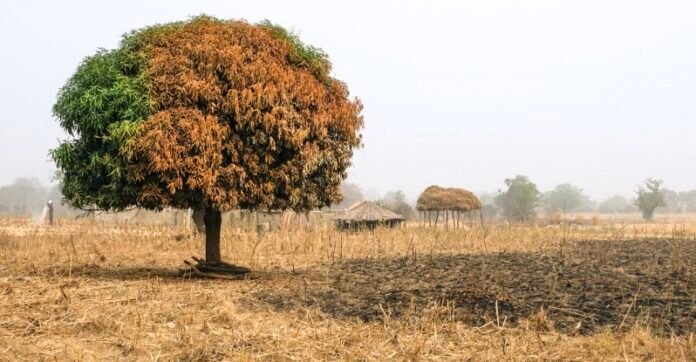
The NAP includes specific adaptation actions for key sectors and local districts, recognising that climate risks vary across the country. For example, northern regions that are prone to droughts and desertification will require different interventions compared to coastal areas that face threats from sea-level rise and flooding. Some pilot initiatives linked to the plan have already started, particularly in areas targeting climate-smart agriculture, water conservation, and disaster risk reduction.
To fully implement the plan between 2025 and 2030, Ghana will need to mobilise more than $20 billion. This funding is expected to come from a mix of domestic resources, international climate finance, bilateral and multilateral partners, philanthropic organisations, and private investors. Priority areas for investment include agriculture, water infrastructure, public health, disaster management, ecosystem protection, urban planning, and renewable energy systems.
Professor Nana Ama Browne Klutse, Executive Director of the EPA, described the NAP as a product of collective national effort built on science, collaboration, and long-term vision. She said the framework was designed to ensure that climate resilience is integrated into development planning at every level, from national ministries to local district assemblies.
“The National Adaptation Plan represents our coordinated and evidence-based commitment to building a resilient Ghana,” she stated. “It aims to protect our people, safeguard our ecosystems and ensure that communities, especially the most vulnerable, are not left behind in the face of climate change.”
She urged government institutions, traditional authorities, private companies, civil society groups, the media, and development partners to take ownership of the plan and support its implementation through advocacy, financing, research, and community-based action.
In a speech delivered on behalf of the Acting Minister of Environment, Science and Technology, the Ministry’s Chief Director, Madam Suweibatu Adam, described the NAP as the most comprehensive national effort yet to address climate change. She praised the agencies and individuals who contributed to the plan’s development and called for sustained collaboration as the next phase of implementation begins.
Beyond national policy, the launch of the NAP also provided a platform for partners to explore new investments, strengthen cooperation, and identify innovative solutions that can speed up Ghana’s transition toward a climate-resilient future. Experts at the event stressed that climate adaptation is no longer optional but essential for protecting livelihoods, ensuring food security, and supporting long-term economic stability.
With climate-related challenges already affecting farming communities, coastal settlements, water supplies, and public health, the success of the National Adaptation Plan will be measured not only by funding figures but by its impact on the daily lives of Ghanaians. The government and its partners now face the task of turning strategy into action, ensuring that the plan delivers real and lasting protection for both present and future generations.
Source:Africa Publicity