
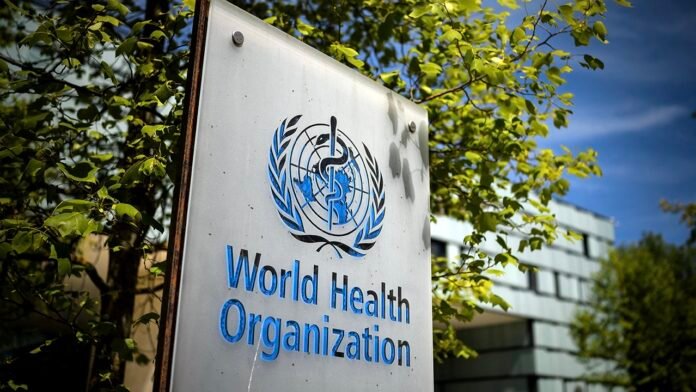
Malaria continued to take a heavy global toll in 2024, killing an estimated 610,000 people, most of them young children in sub-Saharan Africa, according to the World Health Organization (WHO). The agency warned that reduced funding, increasing drug and insecticide resistance, climate change, and ongoing conflict in vulnerable regions are threatening to reverse years of progress in the fight against the disease.
The number of malaria cases also increased in 2024, rising to about 282 million from 273 million in 2023. Although the global death rate from malaria has gradually declined over time, the drop has been slow and uneven. WHO data shows that case incidence — which considers population growth — rose from 59 to 64 cases per 100,000 people at risk between 2015 and 2024, while the mortality rate only fell slightly, from 14.9 to 13.8 per 100,000 people at risk over the same period.
After significant improvements in the early 2000s, progress against malaria has largely stalled over the past decade. While 47 countries have now been officially certified as malaria-free, others are experiencing a resurgence. In 2024, noticeable increases in cases were reported in countries such as Ethiopia, Madagascar, and Yemen.
“Too many people are still dying from a disease that is both preventable and treatable,” said Daniel Ngamije Madandi, director of the WHO Global Malaria Programme. He explained that resistance to commonly used anti-malarial drugs and to insecticides used in mosquito nets is making prevention and treatment more difficult. Climate-related changes, such as rising temperatures and increased rainfall, are also expanding mosquito breeding areas, while instability and conflict are interrupting access to healthcare in several regions.
Another major concern is funding. Total global investment in malaria control and elimination reached only $3.9 billion in 2024, far below the annual target of more than $9 billion needed to stay on track for global malaria goals. This figure does not yet include the impact of new international aid cuts that began in early 2025, which could further weaken prevention and treatment efforts in many high-risk countries.
Ngamije warned that continued underfunding could trigger a dangerous and widespread resurgence of the disease. However, he noted that new tools — including improved treatments, better diagnostic methods, and recently developed malaria vaccines — offer real hope. To make a difference, these tools must reach the communities most at risk, which will require stronger commitment from both affected governments and international partners.
Source:Africa Publicity