

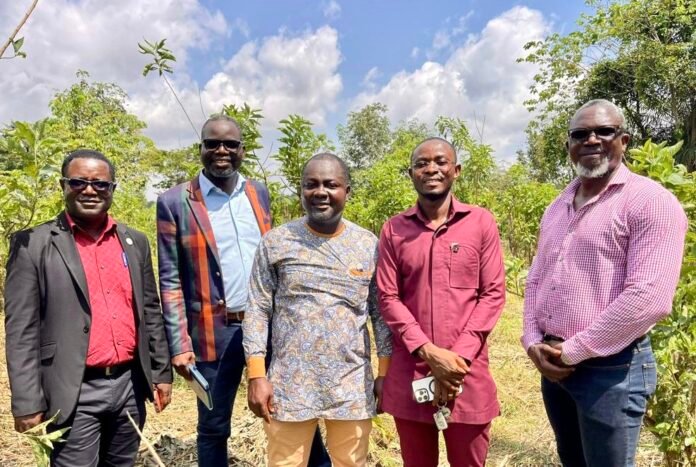
A research delegation from Malawi’s Kamuzu University of Health Sciences (KUHeS) has expressed strong interest in forming partnerships with Ghanaian institutions after an extensive tour of the country’s herbal medicine sector. The team praised Ghana’s progress in regulating herbal products, standardizing practitioner training, and enforcing quality control—areas they say place Ghana ahead of many African countries.
The researchers visited key institutions, including the Kwame Nkrumah University of Science and Technology (KNUST) and Ebenage Herbal Production and Consult, manufacturers of the popular Hepa Plus herbal product. They said these institutions offer valuable models for developing Malawi’s own herbal medicine ecosystem.
Dr. John Mponda, pharmacist and lecturer at KUHeS, said the tour—particularly of the Hepa Plus production facility—provided insight into best practices in quality assurance, manufacturing standards, and raw material sourcing. He noted that the delegation intends to deepen collaboration with KNUST and Hepa Plus in areas such as training, cultivation of medicinal plants, and improving production processes.
As part of the visit, the team toured Ebenage Herbal’s 20-acre medicinal plant farm, where raw materials are cultivated without inorganic fertilizers or agrochemicals. Researchers praised the farm’s adherence to good agricultural practices, emphasizing its importance in producing uncontaminated raw materials for commercial herbal products.
Dr. Mponda commended the company for maintaining high standards from cultivation to processing, describing the facility as an ideal training environment for students and a model for other African countries seeking to strengthen their herbal medicine industries.
Dr. Kofi Tuckson, Head of the Herbal Medicine Department at KNUST, said the establishment of such farms is increasingly critical due to the destruction of forest reserves by illegal mining (galamsey), which threatens the availability of medicinal plants. He called for a national policy to support large-scale cultivation of medicinal plants to safeguard the industry’s long-term sustainability.
The CEO of Hepa Plus also highlighted the severe impact of illegal mining on herbal practitioners, noting that contamination of natural plant sources has increased production costs and complicated processing due to the need to remove heavy metals and toxins. He emphasized that owning medicinal farms is becoming essential for producers who want to maintain quality and ensure consistent supply.
Both KNUST and visiting researchers urged other herbal medicine practitioners to adopt similar cultivation practices to strengthen the industry and secure its future in Ghana and across Africa.
Ghana’s Presidential Jet Back in Service After months of Repairs in France
Source:Africa Publicity