

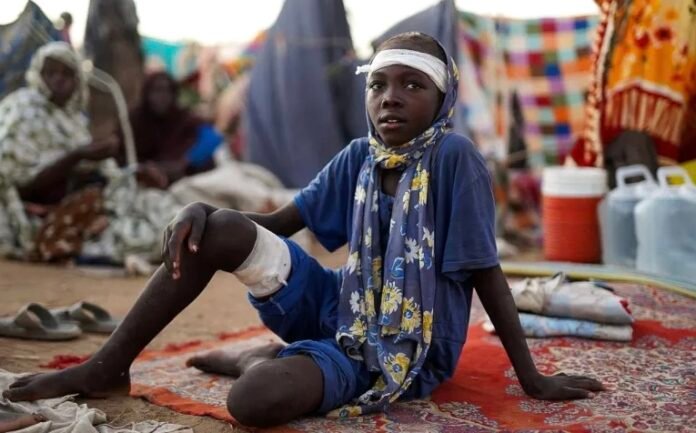
The United Nations Human Rights Council on Friday approved the creation of an independent international fact-finding mission to investigate alleged mass killings and other grave abuses committed in al-Fashir, the last major city in Darfur to fall to Sudan’s paramilitary Rapid Support Forces (RSF). The resolution was adopted without a vote during an emergency session in Geneva—an indication of unusually broad support among member states.
The mission’s mandate includes documenting violations, preserving evidence, and identifying those responsible for atrocities reportedly carried out by the RSF and affiliated armed groups during their takeover of the city on Oct. 26. Investigators are also tasked with building a legal basis for future accountability measures.
UN Rights Chief Decries “Naked Cruelty” Amid Calls for Action
In opening remarks, U.N. High Commissioner for Human Rights Volker Türk urged states to confront the escalating violence with more than rhetoric. “There has been too much pretence and performance, and too little action,” he told delegates. “The world must stand up against these atrocities—a display of naked cruelty used to subjugate and control an entire population.”
Türk also warned that the conflict is intensifying beyond Darfur, highlighting growing attacks in Kordofan, a region that separates RSF-controlled territory in the west from Sudanese army-controlled states in the east. He said communities there face bombardments, road blockades, and mass displacement.
Reports of Mass Killings, Rape, and Torture Emerge From al-Fashir
The draft text reviewed by diplomats expresses deep alarm over reports of ethnically motivated violence, widespread killings, and the use of sexual violence as a weapon of war. Mona Rishmawi, a member of the UN’s current fact-finding structure for Sudan, described harrowing testimonies from survivors, including allegations that RSF fighters turned Al Fasher University—where thousands of civilians had sought refuge—into a “killing ground.”
Witnesses reported bodies accumulating in streets and trenches dug inside and around the city to bury the dead, Rishmawi said. The UN has not yet released casualty estimates, but aid groups believe the civilian toll may be substantial.
The RSF denies deliberately targeting civilians or obstructing humanitarian assistance, blaming abuses on rogue actors it claims are outside its chain of command.
Sudan Accuses External Actors of Fueling the War
Sudanese representatives criticized the resolution for excluding an investigation into foreign support networks for the RSF. Sudan’s ambassador in Geneva, Hassan Hamid Hassan, said his country faces “an existential war” and reiterated claims that the United Arab Emirates is arming the paramilitary group—a charge also echoed by some UN experts and U.S. lawmakers.
“We were warning all over the UN… calling for pressure on the rebel militia and the country that is sponsoring it with military equipment—I mean the UAE,” Hassan said.
The UAE’s ambassador Jamal Al Musharakh rejected the allegations outright, saying his country provides no military aid to either side.
International Backing for Probe, Concerns Over Regional Stability
The United Kingdom, European Union, Norway, and Ghana voiced strong support for the resolution, warning that the violence in Sudan threatens to destabilize an already fragile region. The conflict, now in its third year, has displaced millions and pushed parts of Sudan to the brink of famine.
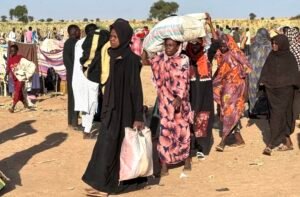
The resolution calls on both the RSF and the Sudanese Armed Forces to grant humanitarian organizations immediate, unrestricted access to civilians trapped in al-Fashir and surrounding areas. Women fleeing the city have reported systematic rape, killings, and drone strikes on civilians attempting to escape.
The fact-finding mission will begin work immediately and is expected to brief the Human Rights Council at future sessions as the humanitarian situation in Sudan continues to deteriorate.
US Army Official Claims Major Weapons Makers Misled Pentagon on Equipment Cost
Source:Africa Publicity