

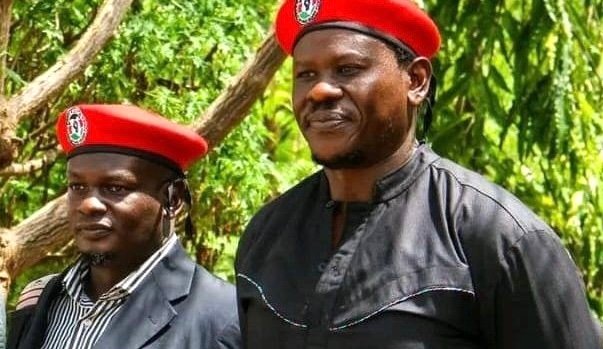
Two Kenyan human rights campaigners who went missing in Uganda over a month ago have resurfaced alive, in a development that is now amplifying long-standing concerns about cross-border suppression of political dissent in East Africa.
The activists — Bob Njagi and Nicholas Oyoo — were last seen in Uganda after attending a public political mobilisation event affiliated with opposition politician Bobi Wine. Eyewitness accounts at the time indicated that masked men dressed in what appeared to be state security uniforms seized the two shortly after the event and drove them off in unidentified vehicles. Their disappearance triggered panic among colleagues, families and legal defenders.
On Saturday, Nairobi-based civil society organisation Vocal Africa confirmed that the two had been traced and are being moved from the Busia border zone into Kenya for medical and psychological assessment. Rights groups say their return is proof that activism remains dangerous in the region, and that East Africans need stronger protection even when they cross national borders.
Ugandan security agencies had publicly rejected claims they were involved in the disappearance, leaving Kenyan rights lawyers, international advocacy networks and diplomatic actors to mount pressure behind the scenes. According to a joint message from Vocal Africa, the Law Society of Kenya and Amnesty International, journalists, embassy representatives and regional human rights defenders helped maintain international attention on the case.
Bobi Wine — born Robert Kyagulanyi — is preparing to challenge long-ruling President Yoweri Museveni in Uganda’s upcoming elections next year. He said he believes Njagi and Oyoo were specifically targeted because of their participation in activities that supported his political movement.
Uganda has been repeatedly criticised for alleged covert arrests of opposition actors. Many of those detained are not formally charged immediately and only resurface days or weeks later — often in courtrooms or at police stations, facing criminal accusations.
The Njagi–Oyoo incident is the latest in a growing pattern across East Africa. Earlier this year, Kenyan activist Boniface Mwangi and Ugandan journalist Agather Atuhaire were detained while in Tanzania, held without contact, and later dumped at their respective borders — allegations Tanzanian police reject. Similarly, Ugandan opposition figure Kizza Besigye vanished in Nairobi in 2023 and later appeared before a Ugandan military tribunal, where he now faces treason-related proceedings.
Njagi himself has survived this before — he was kidnapped in Kenya last year during a wave of disappearances targeting government critics. He later said he was starved and held in total isolation.
Human rights researchers say that these repeated incidents indicate that some regional governments may be sharing security intelligence and collaborating informally to neutralise critics who operate across borders — a trend that, if left unchecked, threatens freedom of expression and political competition across the East African Community.
Djibouti’s Guelleh seeks Sixth-Term After Lawmakers Remove Presidential Age Limit
Source:Africa Publicity