
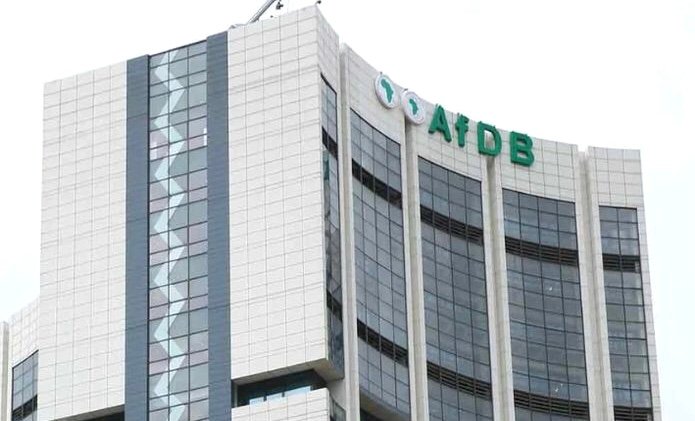
The African Development Bank Group (AfDB) and the Government of Equatorial Guinea have signed a €58.61 million financing agreement to launch Phase One of the Project to Strengthen Human Capital in Support of Economic and Social Inclusion (PARCH 1). The signing took place on 30 October 2025 in Bata, marking AfDB’s first human development investment in the country in a decade.
The deal was finalized by Léandre Bassolé, AfDB Director for Central Africa, and Pedro Abeso Obiang Eyang, Deputy Minister for Finance and Budget, who also represents Equatorial Guinea as Alternate Governor at the Bank.
PARCH 1 aims to enhance access to decent and sustainable employment by improving vocational and technical training opportunities for the country’s youth population — particularly young women. The first phase will focus on delivering training to about 2,000 young people (with at least 45% women included), creating an estimated 4,500 jobs, and supporting the establishment of 500 youth-and women-led businesses.
The plan also includes the construction of two new polytechnic institutes in Mongomo and Luba, designed to meet modern international education standards and climate-friendly sustainability requirements.
Beyond formal training, the project will foster entrepreneurship and practical work experience by working directly with the private sector, providing internship placements, innovation incubators, and targeted funding to support new business ideas.
Bassolé said the investment will fill the skills gap needed to convert Equatorial Guinea’s infrastructure into long-term, inclusive economic benefit. Obiang Eyang described the financing as strategic, adding that strengthening the country’s talent base is critical for building a diversified, resilient economy beyond oil revenues.
The €73.27 million project will be co-financed, with the Equatorial Guinean government contributing €14.65 million.
According to AfDB data, as of August 30, 2025, the Bank’s active portfolio in the country includes five operations and six instruments collectively worth approximately €85.6 million, with most of the funding currently directed towards agriculture and governance-related programmes.
Source:Africa Publicity