

By Isaac Christopher Lubogo
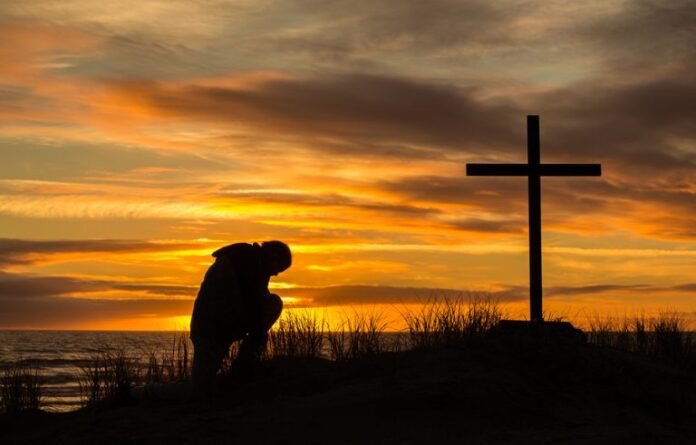
There comes a point in every mortal’s journey when prayer is no longer a polite conversation with heaven but a trembling negotiation with silence itself. You kneel not because you have faith left, but because your knees have memorized the posture of begging. You whisper not because you expect an answer, but because words are the only currency left when tears have become too expensive.
And so we say it again — “God, give me another chance.”
We have said it a hundred times, and still, here we are: asking again, bargaining again, like debtors who keep returning to a creditor who never tires of saying “Maybe.”
If the heavens are truly ruled by gods who never run out of mercy, then surely they must have a ledger full of our repeated foolishness — the times we promised to change, the nights we swore to rise early and live rightly, and the dawns we woke up unchanged. We pray like Samson in the temple of Dagon, not because we are holy, but because sometimes revenge against despair feels holier than peace itself.
“Let me die with these Philistines,” Samson said — not out of hatred, but exhaustion. It was not just about enemies; it was about a soul that could not take another humiliation. And we, too, sometimes pray not to live, but to end the mockery of trying.
But what if — just what if — the gods understand this repetition?
What if they, in their divine patience, know that humanity was not designed to learn once, but to stumble, bleed, return, and repeat? What if they are less interested in our perfection and more fascinated by our persistence?
Perhaps this is the secret language between man and divinity — that each “last chance” is really an eternal echo, a signal from the clay to the sky saying, “I am still here, even if broken.” And maybe the gods smile, not because we are faithful, but because we keep coming back.
After all, what is a god who demands perfection but a tyrant in gold?
The true gods — the ones who understand dust and blood — know that forgiveness is not a transaction but a rhythm. They do not need our permission to love again. They are not fatigued by our return.
So tonight, when you whisper for another chance, know that you are not alone in your redundancy. Humanity has always been the echo that refuses to fade. The world turns because hope, though faint, refuses to die — and even the gods, in their infinite silence, might just listen this other time.