

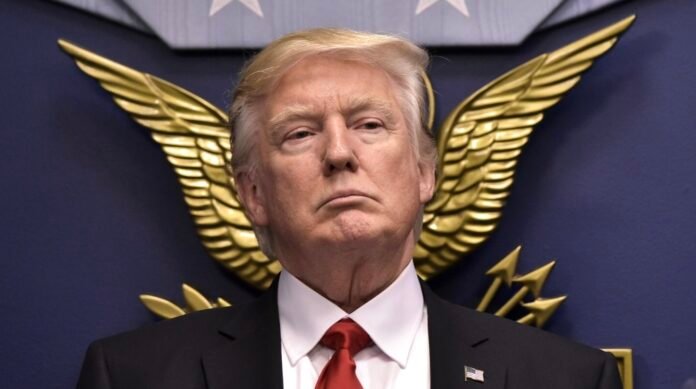
President Donald Trump’s public approval rating has shown a modest but notable improvement, rising to 41% amid signs that Republican voters in particular are responding positively to his administration’s intensified focus on easing the cost of living. The findings come from a new Reuters/Ipsos national survey released this week, offering one of the clearest readings yet of how Americans are digesting Trump’s economic messaging as he closes out the first year of his second term.
The poll, conducted over six days and ending Monday, indicates Trump has gained three percentage points since late November, when his approval hit 38%—its lowest level since he returned to office in January. The president began his second term with a 47% approval rating, but persistent inflation, elevated consumer prices, and political conflict in Washington have weighed on public sentiment for much of the year.
Inflation Still High Despite Policy Shifts
The cost-of-living crisis remains a defining challenge for Trump’s administration. Inflation rates surged during the final years of Democrat Joe Biden’s presidency, a factor widely credited with fueling voter frustration and helping Trump defeat then-Vice President Kamala Harris in the 2024 election.
Although the White House has introduced new measures focused on affordability—ranging from energy-price interventions to efforts aimed at lowering grocery and housing costs—annual inflation has remained stubbornly above historical norms. Prices rose by 3% in the 12-month period through September, still higher than the roughly 2% target the U.S. Federal Reserve considers ideal for economic stability.
Economists note that while inflation has cooled from its pandemic-era peak, many households continue to experience financial strain. Higher costs for food, rent, medical care and transportation have eroded purchasing power, especially among lower-income families. Administration officials have argued that some price pressures are easing, even as critics accuse the White House of moving too slowly or relying on politically driven economic interventions.
Republican Support Strengthens
The recent rise in Trump’s overall approval rating appears driven most strongly by Republicans, who showed increased satisfaction with the president’s handling of price-related issues. The poll did not specify which affordability initiatives resonated most with GOP voters, but political analysts suggest the administration’s aggressive rhetorical focus on grocery prices, fuel costs and regulatory rollbacks may be helping consolidate support within Trump’s base.
At the same time, the poll reflects a slight improvement among Hispanic respondents—a group that has become increasingly competitive in national politics. Approval among Hispanic adults climbed to 34%, up from 32% in the previous survey. While still significantly below Trump’s support among white and Republican voters, the shift is politically notable given the demographic’s growing electoral influence and its role in deciding key swing states in the 2024 election.
Polling Details and Methodology
The Reuters/Ipsos survey gathered responses from 4,434 adults across the United States through an online questionnaire. As with other major public-opinion polls, the results were weighted to match national demographic profiles. The poll carries a margin of error of plus or minus two percentage points, meaning Trump’s true approval rating could be slightly higher or lower than the reported figure.
Political scientists caution that week-to-week fluctuations in approval ratings do not necessarily represent lasting shifts. Still, the latest data suggests the administration’s strategic emphasis on household economics—an issue consistently ranked by Americans as a top concern—may be beginning to resonate with at least some segments of the electorate.
A Test for the Months Ahead
With inflation still elevated and Congress divided over fiscal priorities, Trump faces pressure to deliver tangible economic improvements as he prepares for legislative battles early next year. Analysts say whether the recent bump in approval marks the start of a broader recovery in public support will depend heavily on consumer confidence, price trends, and the administration’s ability to implement its cost-of-living agenda effectively.
Source:Africa Publicity