

Source: Africa Publicity
Authorities in Nigeria have detained 15 individuals following allegations of sexual assault linked to a community festival in Delta State, as shocking videos shared online ignited widespread condemnation.
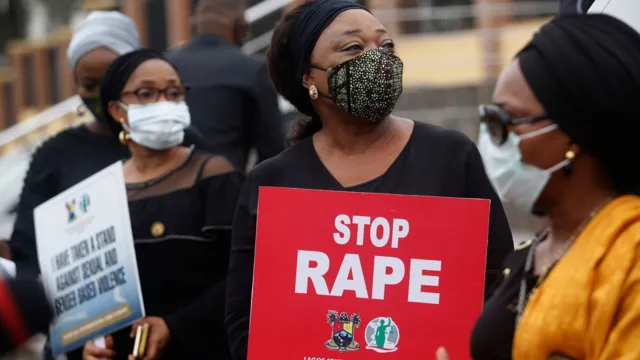
The footage, which quickly circulated across social media, appears to show groups of young men targeting women who were alone—chasing, harassing, and assaulting them in public while onlookers recorded the scenes. The clips fueled public anger and triggered the viral hashtag #StopRapingWomen, renewing urgent calls to address gender-based violence in the country.
Despite the backlash, Delta State police have pushed back against claims that the Alue-Do festival in Ozoro was a so-called “rape festival.” Police spokesperson Bright Edafe stated in a televised interview that no formal rape complaints had been filed in connection with the event.
However, the videos—captured during the annual fertility festival—depict troubling scenes of women being stripped, groped, and publicly humiliated. Edafe described the footage as “alarming, disgusting, and embarrassing,” confirming that suspects identified in the recordings have been arrested and transferred to the Criminal Investigation Department.
According to police, four women interviewed so far reported that they were not raped. Still, critics argue that the acts shown clearly constitute serious sexual violence under Nigerian law, regardless of whether rape occurred.
Among those arrested is a prominent community figure believed to have played a role in organizing the festival. Investigations remain ongoing.
Some residents and activists claim women had been warned to stay indoors during certain parts of the celebration, raising concerns that the attacks may have been premeditated or tolerated under the guise of tradition.
Traditional authorities, including the King of Ozoro, have strongly denied that the festival condones such behavior. He described the event as a fertility rite that was “misinterpreted and abused by some youths.”
While acknowledging reports of harassment, community leaders emphasized that such actions are criminal and not rooted in cultural practices.
The Delta State government echoed this stance, insisting that no recognized festival permits violence and that all offenders must be held accountable under the law.
Nigeria’s First Lady also weighed in, condemning the incidents and urging law enforcement to ensure justice is served. She stressed that no cultural tradition can justify harm against women and encouraged victims to seek both medical and psychological support.
As investigations continue, the incident has intensified national conversations about accountability, cultural practices, and the urgent need to protect women from violence.